Once Human Review
Once Human Overview
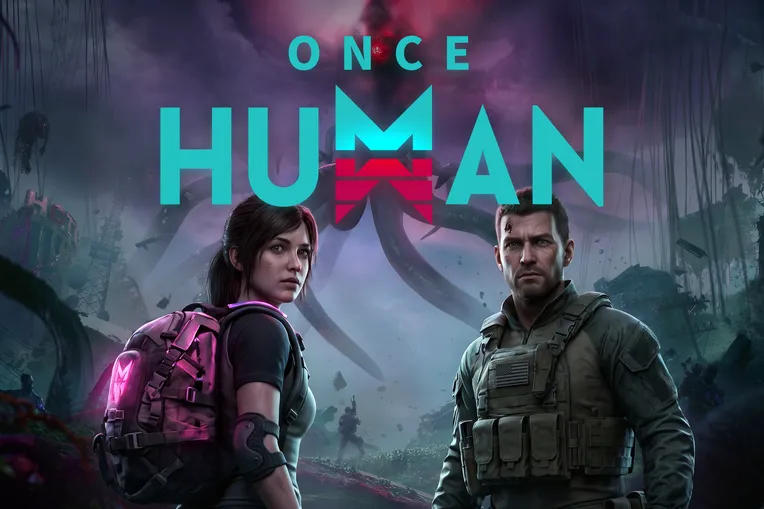
Once Human turns a post-apocalyptic survival shooter into a creature hunt, construction project, and multiplayer resource scramble. Developed by Starry Studio and published by NetEase Games, it sends you through an open world packed with monsters, loot, missions, territory building, co-op activities, and PvP competition.
The clever twist is its Deviations. These captured anomalies can grant abilities, assist in combat, or automate work around your shelter. Apparently the apocalypse is feeling helpful. It gives familiar survival systems a stranger personality, making this an easy recommendation for players who want crafting and gunfire with something genuinely odd at the center.
Once Human Gameplay and Core Loop
A typical Once Human session moves briskly between exploration, third-person combat, scavenging, and improving your territory. In a short stretch, you might follow a mission into a contaminated area, fight hostile creatures, scoop up materials, encounter a world activity, and return home with another upgrade in mind. Every outing feeds the next construction or equipment goal.
Shoot, loot, then put the monsters to work
Combat and collecting provide the forward pull. You roam the wasteland, defeat enemies, gather useful drops, and chase resources that support crafting and survival. Co-op lets friends tackle that cycle together, while PvP scenarios introduce competition over the same hostile world and its supplies.
Deviations stop this from becoming another warehouse simulator with rifles. Capturing one can add an ability, help automate your shelter, or alter your combat options. That makes creature hunting part of progression rather than a side collection screen. You are not merely clearing monsters from the map. You are deciding which bizarre specimen deserves a job back at base. Human resources has changed.
Building keeps every expedition useful
Territory construction gives all that scavenged material somewhere to go. IGN describes the building and upgrading as simple but solid, which neatly sets expectations: this is approachable shelter management rather than an architectural degree with mutant interruptions.
That simplicity may disappoint players who want exceptionally intricate construction systems. The payoff is pace. Building sits beside shooting, missions, survival, and creature collecting without swallowing the entire game, so the loop keeps moving toward the next strange discovery.
Is Once Human Pay-to-Win?
Once Human is free to start, and the confirmed store information is not enough to label it pay-to-win. Steam lists in-app purchases, while the Xbox store also flags purchases that include random items. The available listings do not provide enough item-level detail to judge exactly how much competitive leverage, if any, money can buy.
That uncertainty matters more in PvP than it does while exploring or building cooperatively, but there is no documented basis here for declaring a hard paywall or a whale-dominated economy. The sensible route is refreshingly cheap: start free, learn how your preferred scenario handles progression and competition, then inspect the shop before spending. You can discover whether the core loop grabs you without paying an entry fee.
Once Human Progression and Scenarios
Once Human builds its long-term appeal around expanding your territory, collecting Deviations, completing activities, and moving through changing scenarios. Missions and world events keep the map supplying objectives, while loot, crafting, and captured anomalies gradually widen what your character and shelter can do.
Scenarios can change environments and gameplay rules, giving the multiplayer structure room to shift rather than leaving one map frozen forever. The important catch is that its servers are ephemeral and periodically wiped. If you treat every base as a permanent digital monument, that reset structure may sting.
Treat each scenario as a new survival run, however, and the wipe becomes a reason to rethink priorities, chase different Deviations, and rebuild with friends. The long game is less about preserving one perfect cupboard of loot and more about repeatedly mastering a wonderfully bent apocalypse.
Is Once Human Worth Playing?
Once Human is worth playing for survival fans who want co-op building, open-world shooting, and collectible anomalies without an upfront price. Its strongest idea is also its strangest: the creatures filling the wasteland can become abilities, combat tools, and tiny employees around your shelter. That gives the standard gather, craft, upgrade loop a welcome jolt of personality.
You will love it if you enjoy multiplayer survival with scenario resets and weird creature collecting. Skip it if periodic wipes erase your motivation. Everyone else can simply download it, recruit the first useful oddball they find, and start turning the end of the world into a home improvement project.