Post-apocalyptic games turn humanity’s oldest end-of-the-world fears into places you can explore, rebuild, or thoroughly destabilise. The best free post-apocalyptic games mix ruined worlds with survival pressure, scarce resources, hostile factions, and moral choices where the clean answer disappeared with civilisation.
Free-to-play is a fine match for that variety. You can step into a story-led struggle, a scavenging sandbox, a tense survival simulation, or an action-heavy wasteland without paying upfront. Pick your preferred flavour of catastrophe and see whether your plan survives contact with the locals.
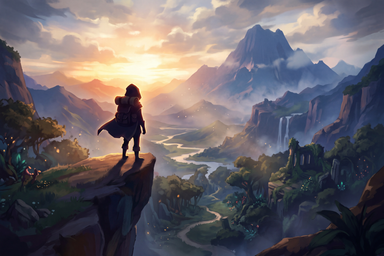
Wuthering Waves takes the familiar anime open-world gacha formula and gives it sharper teeth: flashy, fast-paced combat, enticing exploration, and a post-apocalyptic mystery built around the amnesiac Rover. The story can get exposition-heavy, but if you want your next pull to fight like an action hero rather than a spreadsheet, this is your playground.
Post-Apocalyptic Games for Survivors, Scavengers, and Scheming Rebuilders
Post-apocalyptic games earn their place here by making a broken world feel consequential. We select and review the games on this page ourselves, looking at how their survival systems, decisions, exploration, and combat support the setting. Our featured pick is shown at the top of the page.
Some entries focus on scavenging for food, water, shelter, and equipment. Others hand you a web of factions and ask who deserves your loyalty, assuming anyone does. Story-driven games can make trust and sacrifice more dangerous than combat, while open-world sandboxes give you room to loot ruins, build a base, and decide whether strangers are trading partners or tomorrow’s problem.
The strongest post-apocalyptic games make every resource and relationship feel like part of the same survival story. Horror, action, role-playing, and multiplayer can all fit inside that idea. What matters is pressure: limited supplies, uncertain allies, dangerous journeys, and choices that keep tugging at you after the immediate crisis has passed. Press Play Now when one matches the kind of survivor you want to become.
Wasteland Survival Tactics That Keep You Alive
Secure the essentials first: Food, water, shelter, and a safe route matter more than exciting loot in survival-focused games. Stabilise those basics before chasing distant objectives.
Treat inventory space as a decision: Carry what solves likely problems, not everything that glints in an abandoned building. Keep healing supplies, essential tools, and flexible resources ahead of duplicate gear.
Scout before committing: Open worlds reward curiosity, but charging into unknown territory can burn ammunition, health, and time. Identify exits, cover, hazards, and nearby shelter before starting trouble.
Save scarce resources for real danger: Your last bullet or bottle of water is precious. If hiding, retreating, or taking another route works, keep that resource for the moment when it does not.
Read factions before choosing sides: Post-apocalyptic politics rarely offers a spotless option. Learn what each group controls, what it believes, and what your support may cost before accepting its version of a better world.
Share jobs in cooperative survival: When multiplayer is available, divide responsibilities. One player can search for supplies while another watches routes or improves defences, turning limited time into steady progress.
Use difficulty and sandbox settings with purpose: Where these options are offered, tune them around what you enjoy. Lower pressure can leave more room for exploration and story, while harsher settings make each shelter and supply run count.
Choose your preferred kind of collapse: Story, combat, exploration, and hard survival create very different experiences. Press Play Now on a game that puts your favourite pressure at the centre, then start making the wasteland answer to you.
Post-Apocalyptic Worlds Make Every Choice Heavier
A post-apocalyptic setting clears away familiar power structures and replaces them with opportunity, fear, and improvised rules. That is why the genre pairs so naturally with open exploration. Ruins can hold old technology, vital supplies, hostile creatures, or settlements trying to build something new from the wreckage.
The disaster sets the stage, but decisions give these worlds their bite. You might rebuild, seize power, protect a community, or simply survive another journey through hostile ground. Even combat gains extra weight when ammunition is scarce, while a conversation can become just as tense when trust determines access to shelter or supplies.
That flexibility keeps the genre fresh. One wasteland can be frightening and claustrophobic, another colourful and action-led. Some make crafting and base building the main event. Others care more about vengeance, loyalty, or who you save when every available choice has teeth. Press Play Now and find out what your next ruined world expects from you.
FAQ
FAQs
Our featured pick is shown at the top of the page. It is the place to start if you want survival pressure, hard decisions, and a world where civilisation has already lost the argument.
Post-apocalyptic games take place after society has collapsed through war, disaster, infection, or another catastrophe. You explore what remains, deal with new factions, and decide whether to rebuild the world or scramble through its ruins.
No. Open worlds and infected enemies are common, but the genre also includes story-driven adventures, RPGs, shooters, and resource-management games set after other kinds of catastrophe.
Scarcity gives every choice weight. Scavenging supplies, securing shelter, managing an inventory, and choosing who to trust can turn a routine trip into a proper survival crisis.
They often reward planning, resource management, exploration, and quick decisions under pressure. Combat matters in many of them, but knowing when to hide, trade, build, or walk away can matter just as much.