Genshin Impact Review
Genshin Impact Overview
Genshin Impact drops a huge anime-fantasy world, action combat, and an ever-growing character collection into a game you can start for free. Developed and published by miHoYo, with distribution outside China handled by Cognosphere under the HoYoverse name, it first launched on September 28, 2020. It now spans Windows, iOS, Android, HarmonyOS, Xbox, and PlayStation.
You play the Traveler, an outsider searching Teyvat for a missing sibling. That simple quest opens into a story-rich action RPG built for explorers, team builders, and anyone whose resistance crumbles when a beautifully designed character appears on a summoning banner. Solo play is the foundation, while limited multiplayer lets up to four players share a world. Plenty of roads, plenty of company if you want it.
Genshin Impact Gameplay and Core Loop
The big pleasure of Genshin Impact is how quickly exploration, errands, combat, and party tinkering feed into one another. A typical 20-minute stretch can involve following a quest, gathering fruit and crafting materials, fighting a group of enemies, then wandering toward something interesting instead of doing what the quest marker asked. Teyvat encourages distraction. Saving your sibling can wait, apparently.
Four characters, plenty of sparks
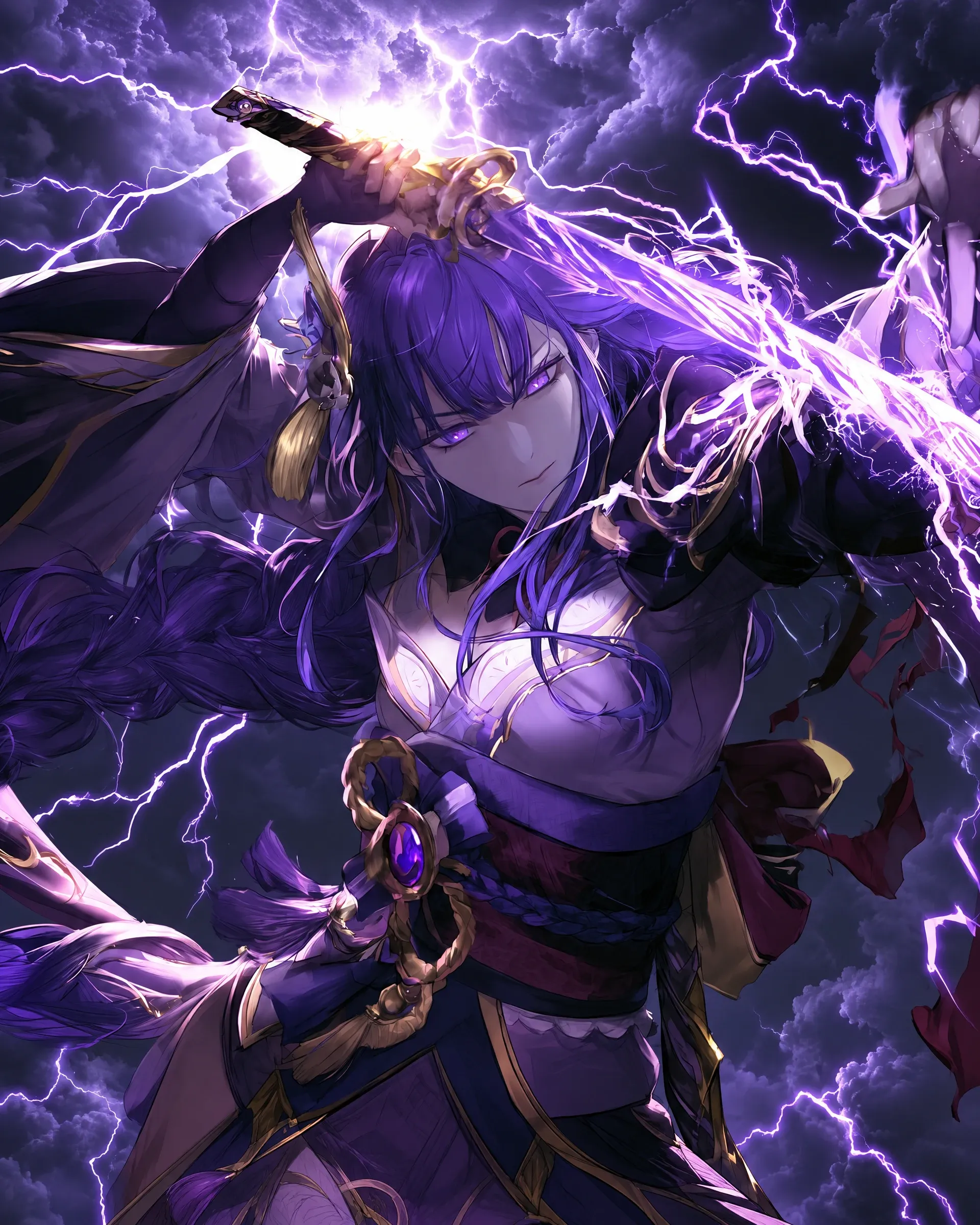
Combat revolves around elemental magic and real-time character switching. You assemble a party of up to four characters, use each character's abilities, and swap between them to trigger elemental reactions. That structure gives fights more thought than simple attack mashing: the order of your abilities matters, as does the combination of characters brought into battle.
It also makes every new recruit mechanically interesting. A character is another possible link in your elemental chain, not merely a different costume carrying larger numbers. Party construction becomes its own game as you consider how four kits can pass enemies between bursts of magic. When the pieces click, battles become quick little chemistry experiments, except the lab equipment is wearing immaculate anime tailoring.
The gacha model inevitably affects that freedom because access to characters and weapons is tied to pulls. Even so, the underlying system has real shape. Character switching keeps you active, elemental reactions reward planning, and action-focused battles stop the party screen from becoming a spreadsheet with prettier hair.
Teyvat keeps tugging at your sleeve
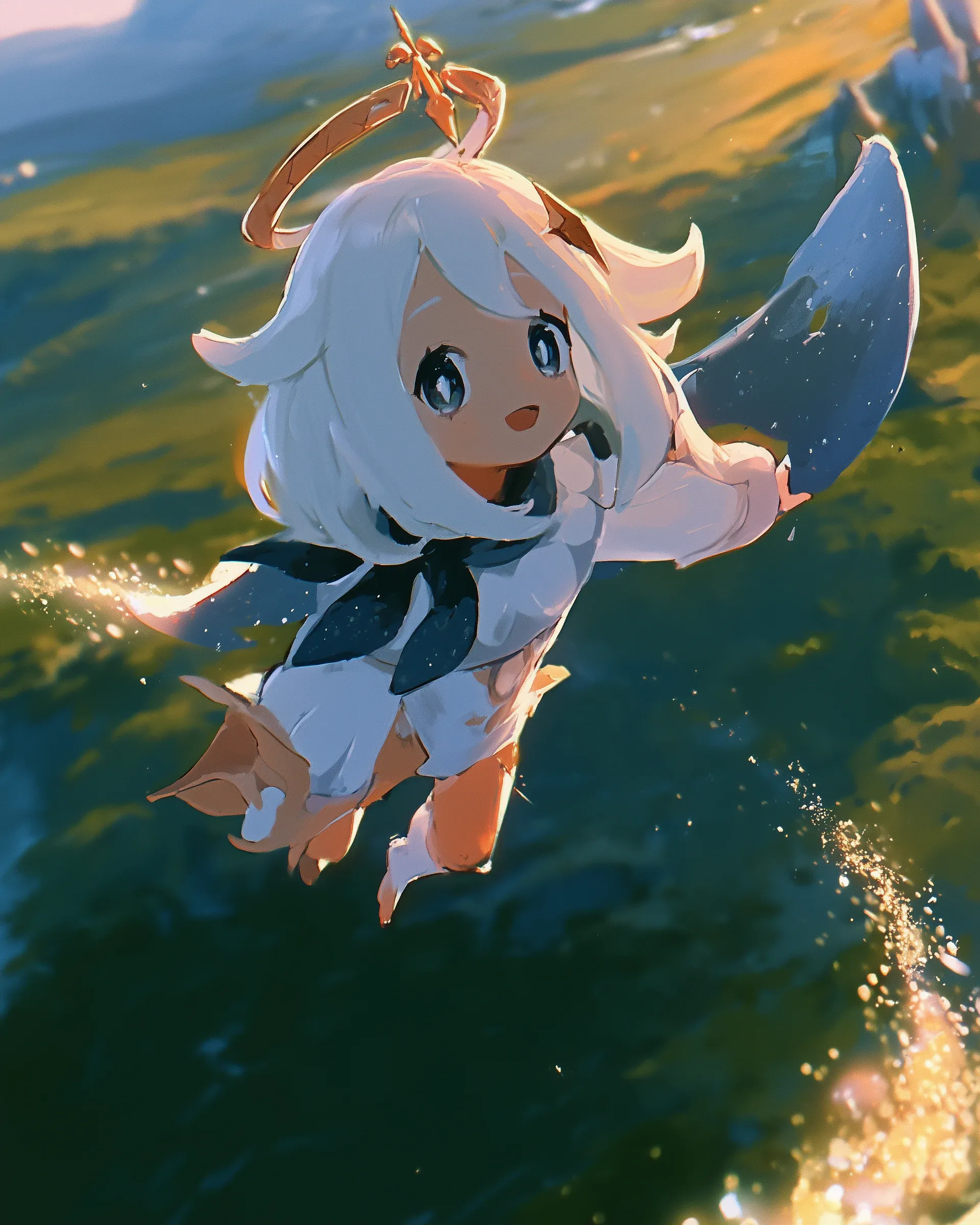
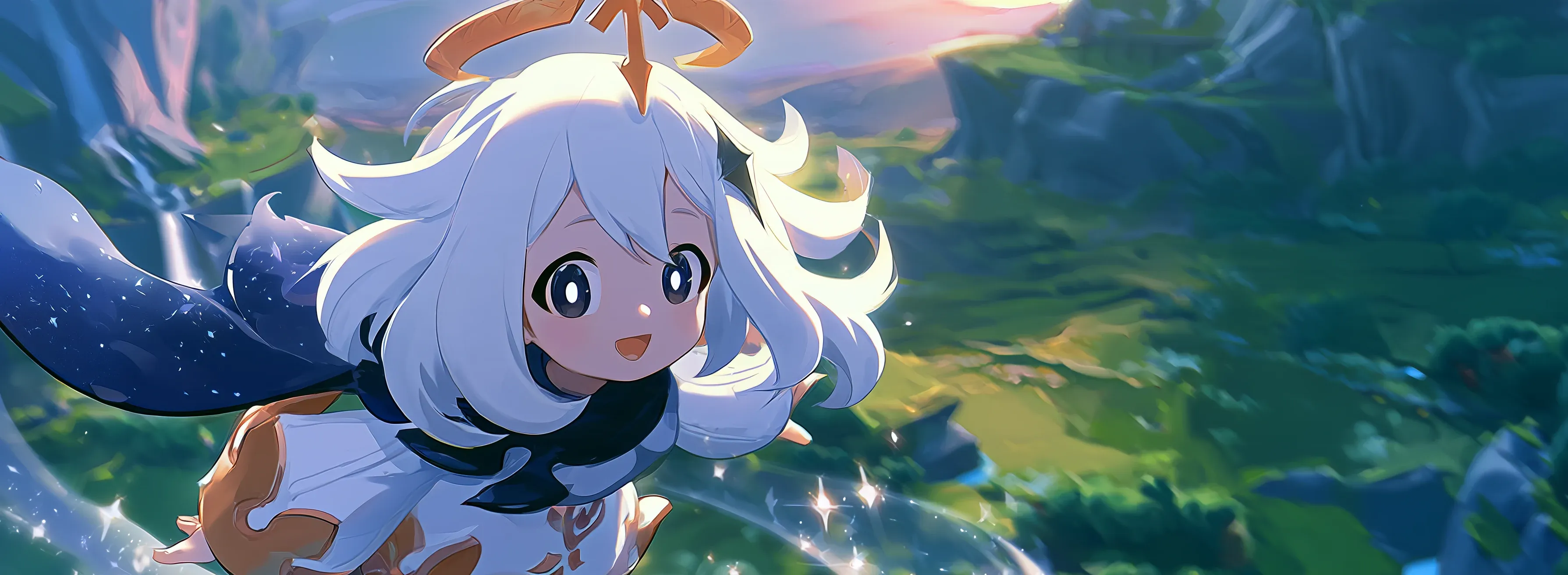
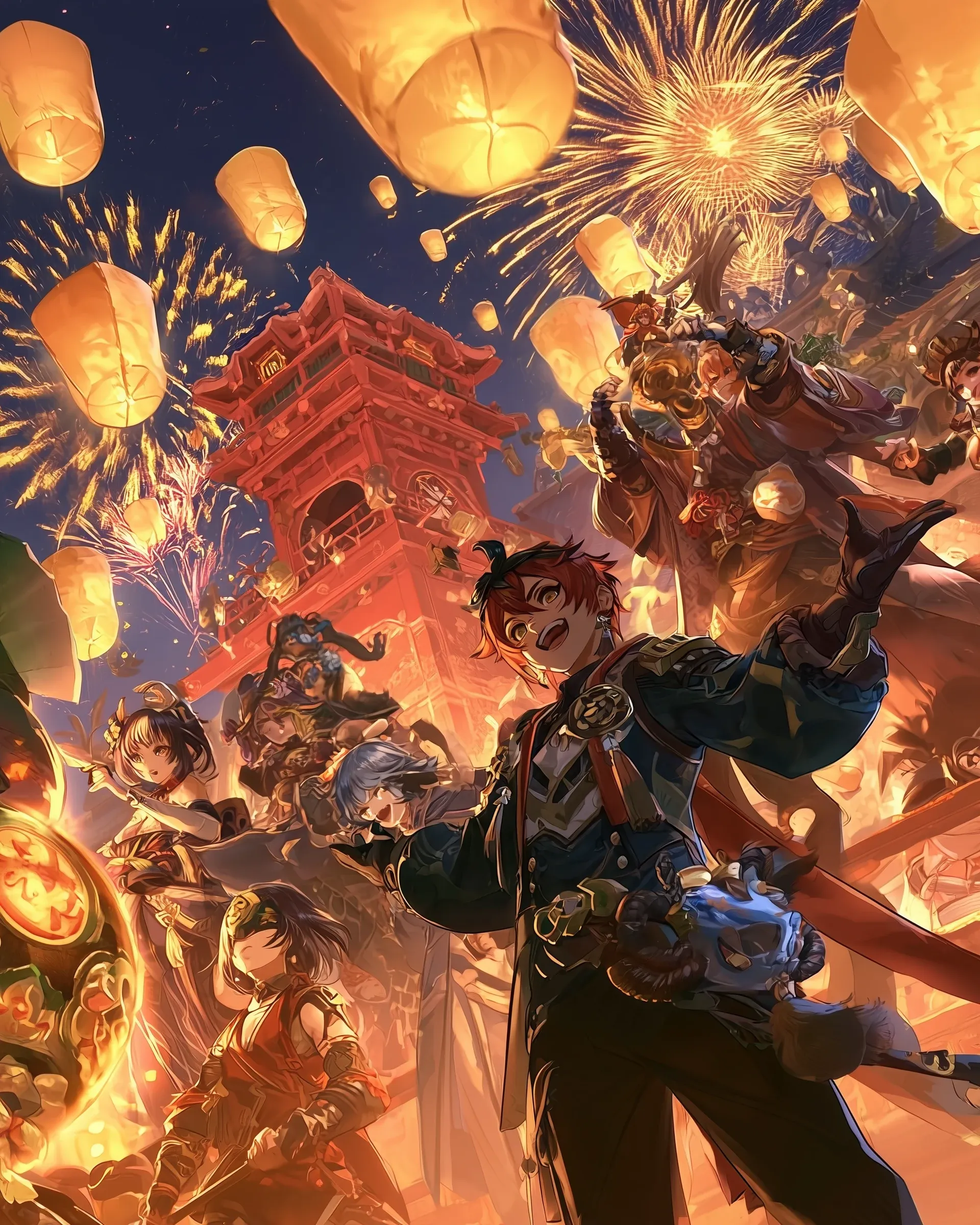
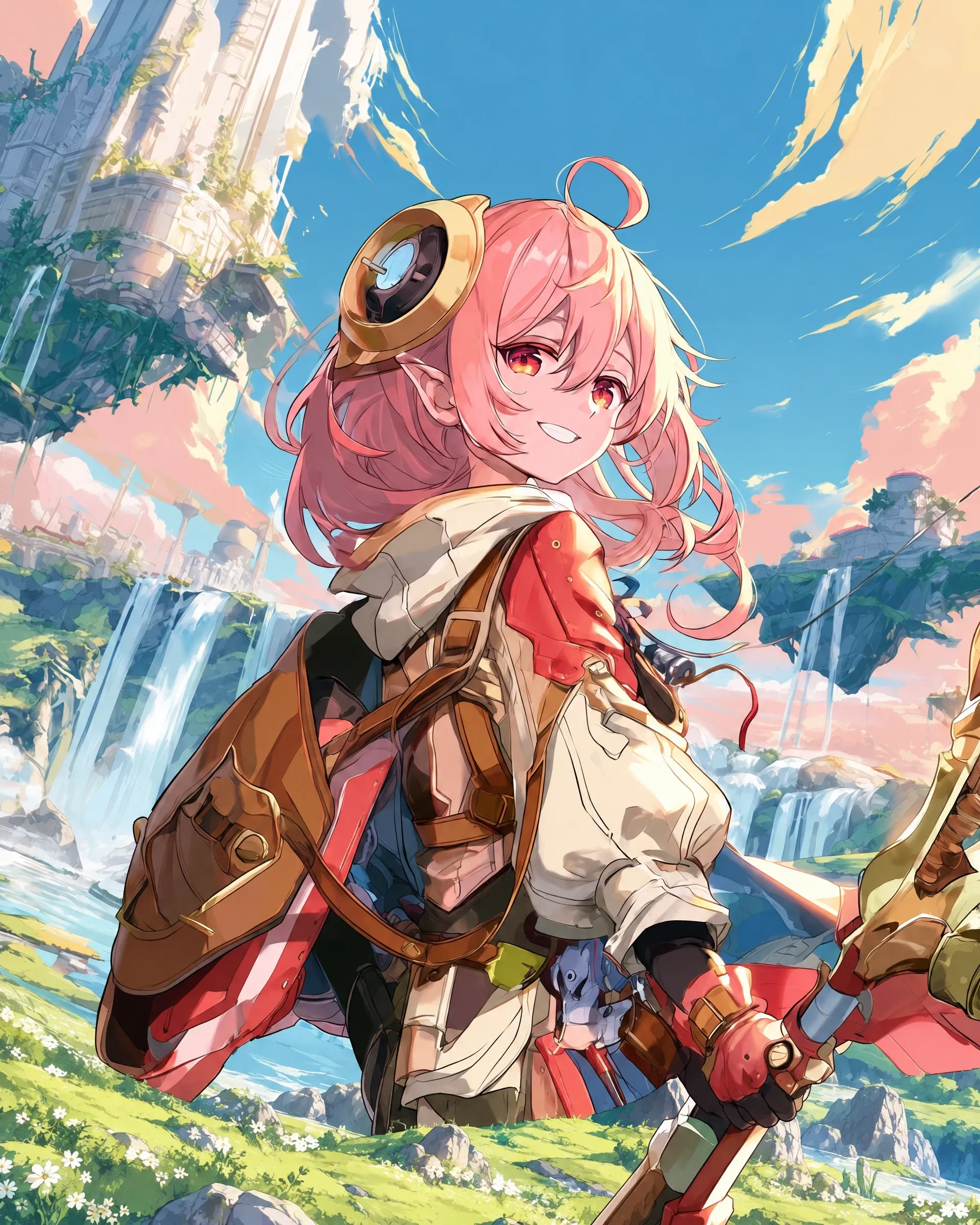
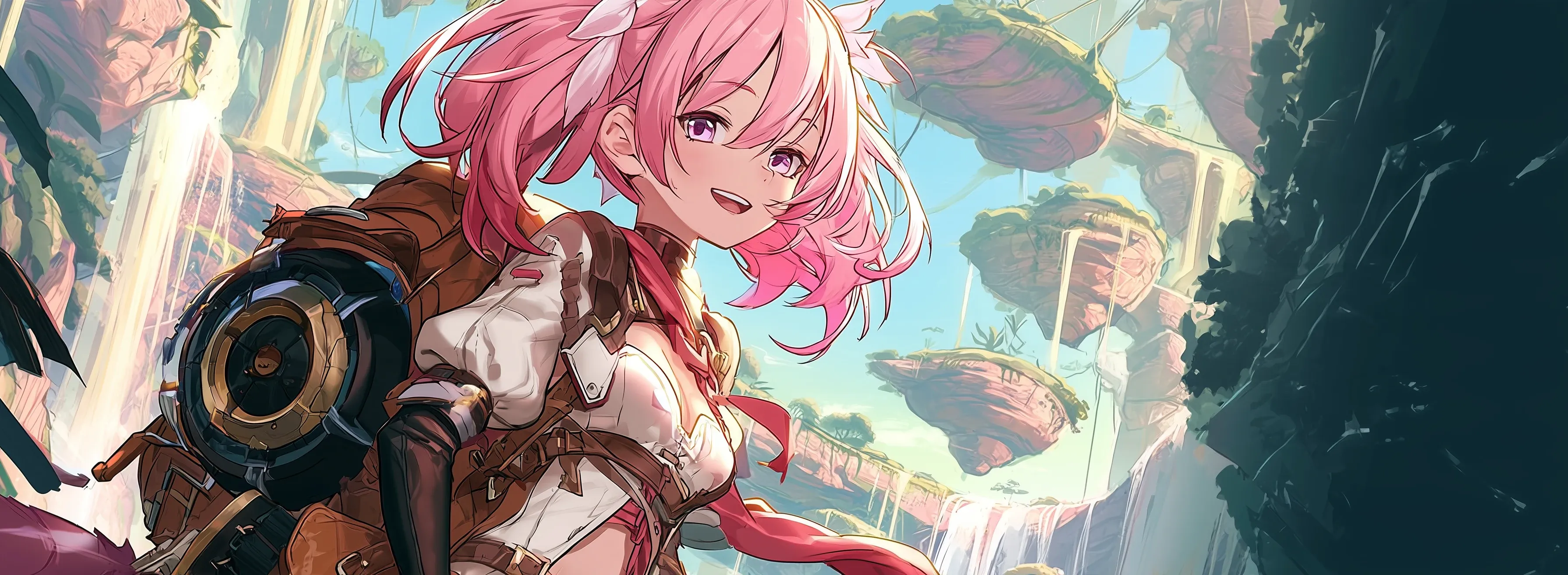
The open world carries much of the adventure. Quests, gathering, crafting, fast travel, and battles scatter reasons to keep moving, while the mythical main story gives the journey a destination. IGN praised the addictive exploration and gorgeous setting, and that combination is central to the game's appeal: the next objective matters, but the horizon keeps stealing your attention.
Presentation helps sell every detour. Teyvat uses a bright anime style, and its score includes music performed by the London Philharmonic Orchestra, Shanghai Symphony Orchestra, and Tokyo Philharmonic Orchestra. Some voice acting leans hard into anime theatrics, but subtlety was never going to survive a world of elemental gods and airborne hairstyles. The result is a place built to make one more waypoint feel entirely reasonable.
Is Genshin Impact Pay-to-Win?
Genshin Impact is not pay-to-win in the conventional competitive sense, but spending can buy more chances at powerful characters and weapons. This is primarily a single-player action RPG with limited cooperative multiplayer, rather than a ranked contest where another player's wallet knocks you down a league. There is no equivalent competitive crown that paying guarantees.
The pressure is still real. Its gacha sells pulls for characters and weapons, which means money expands your opportunities to assemble desirable teams and chase particular additions. A whale can roll far more freely than a player sticking to the free path. That gap matters because team building is one of the best parts of the game, and the gacha places some of those shiny possibilities behind chance.
What to know going in is simple: the monetization is entwined with collection, while deeper progression can bring undesirable level grinding. It is less about buying permission to explore Teyvat and more about tempting you with a faster, broader route through roster building. The smart free-to-play approach is to accept that every character is not a sensible target, treat pulls as a limited resource, and build around what you actually obtain. Do that, and the adventure remains much bigger than the shop.
Genshin Impact Progression and Long-Term Play
The long-term hook is building stronger parties while regular updates keep extending a world and story designed as an ongoing service. Early momentum comes from discovery and the main quest. Over time, attention shifts toward improving characters, weapons, abilities, and elemental team combinations.
That arc can get grindy. IGN specifically flags undesirable level grinding deeper into the game, and the gacha adds another layer of friction when a desired character or weapon depends on a pull. This is where the breezy opening adventure starts asking for patience. Progress is no longer only about finding the next scenic road. It is also about gathering what your roster needs and deciding which upgrades deserve priority.
The available characters, desired teams, and ongoing updates change what each player is pursuing, so the dependable rule is to focus resources rather than scattering them across every new arrival. Four characters make a party, after all. Your entire wardrobe of elemental celebrities does not need matching upgrades on day one.
Regular content updates give that investment somewhere to go, while cooperative play offers an optional social break from solo questing. This is best approached as a long-running RPG rather than a finite campaign to inhale over a weekend. If you enjoy watching a small party grow into a carefully tuned elemental machine, Teyvat has a very sticky map.
Is Genshin Impact Worth Playing?
Genshin Impact is worth playing for its inviting open world, smart elemental combat, lavish music, and satisfying four-character team building. The gacha and later grind shave points from the fantasy, but they do not erase the amount of action, exploration, and story available at the starting price of nothing.
Anime RPG fans, curious explorers, and habitual party tinkerers should absolutely give it a shot. Players who hate random character acquisition or ongoing progression grinds should skip it, or at least set firm spending limits before that next pull starts whispering politely.
With a 4.05 out of 5 score, this is an easy world to recommend entering with open eyes. Pick your Traveler, follow the first road, then immediately get distracted by Teyvat. That is rather the point.