Raid: Shadow Legends Review
Raid: Shadow Legends Overview
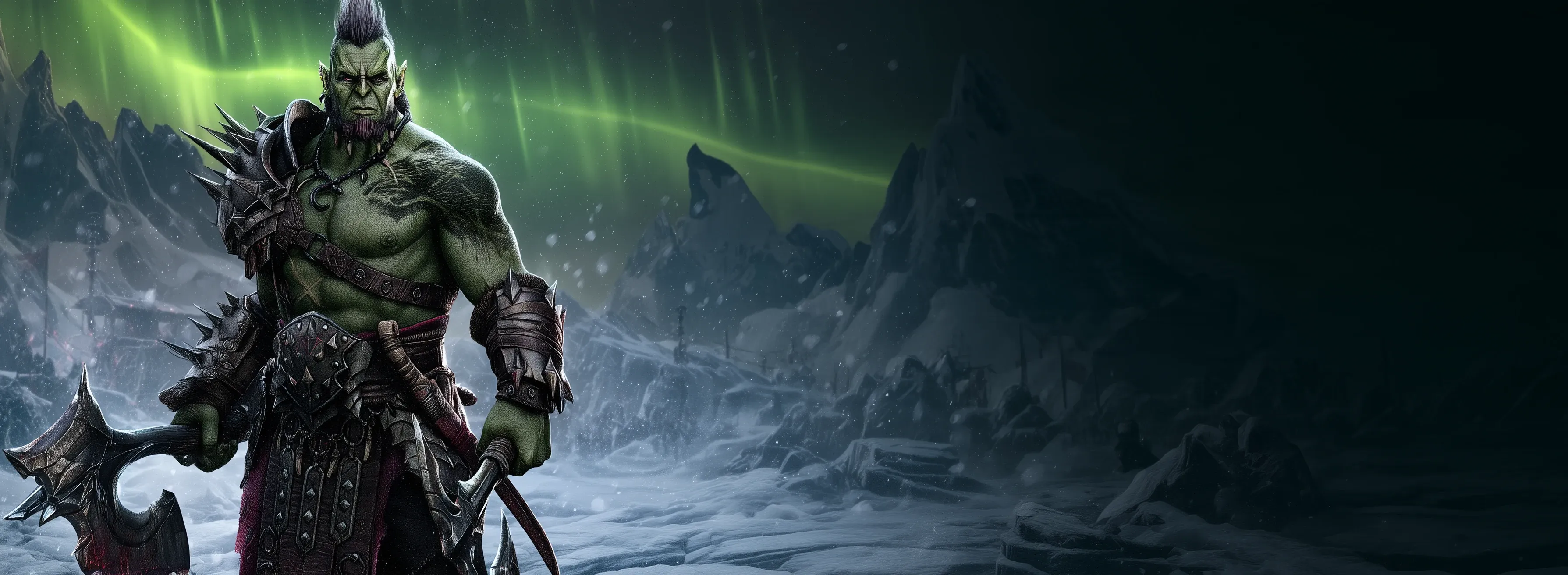
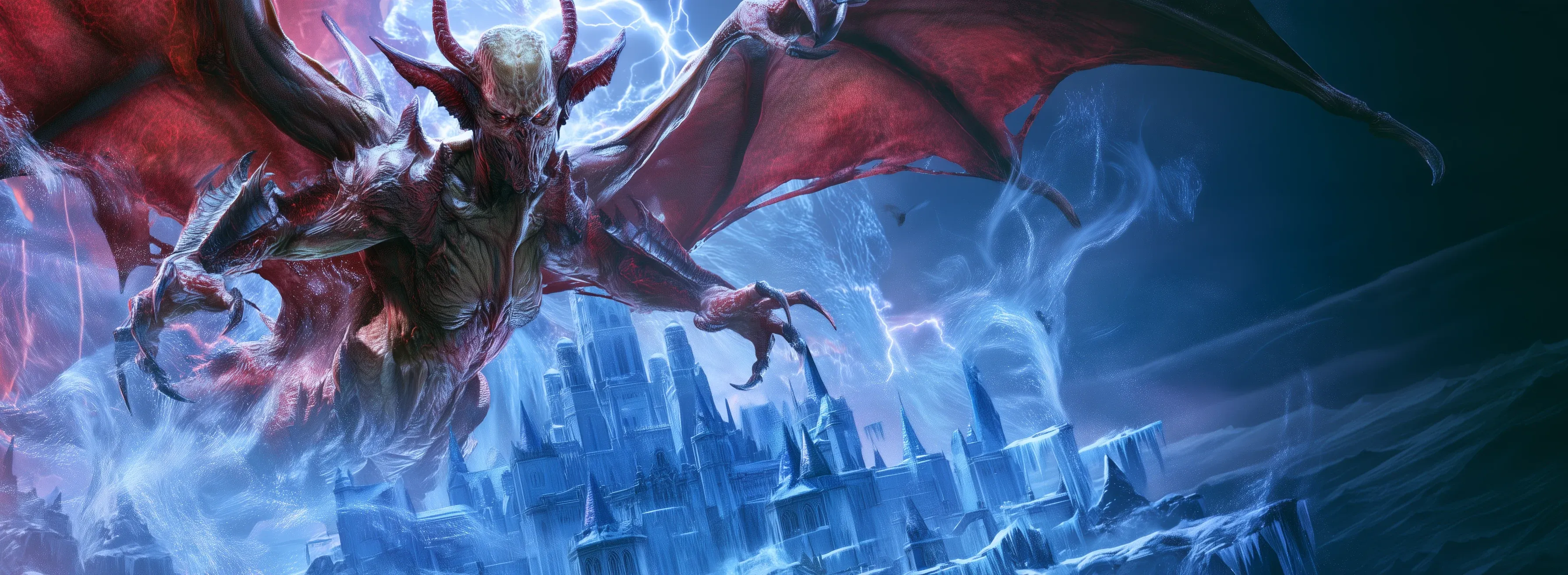
Raid: Shadow Legends turns the gacha roster chase into a dark fantasy war room, with Plarium feeding you Champions, Shards, dungeons, clans, and PvP targets across mobile and desktop. This is a free-to-play, turn-based collection RPG set in Teleria, a realm under the shadow of the Dark Lord Siroth, where the Arbiter calls on you to build an army and start cleaning house.
Plarium develops and publishes it, and the game arrived on mobile in 2018 before expanding to computers. It runs on Android, iOS, Windows, and macOS, with PC and Mac play supported through Plarium Play and wider Windows availability through storefronts such as the Microsoft Store and Steam. Account linking through a Plarium ID syncs progress, purchases, and settings between desktop and mobile, which matters a lot for a game built around daily routines.
| Version or access point | What players should know |
|---|---|
| Android and iOS | The original mobile home for the free-to-play collection RPG loop |
| Windows and macOS through Plarium Play | Same core gameplay as mobile, with keyboard, mouse, scalable window, and hotkey support |
| Microsoft Store | Cross-play progression through a Microsoft account or Plarium ID |
| Steam | Listed as free to play, with user reviews marked Mixed on its store page |
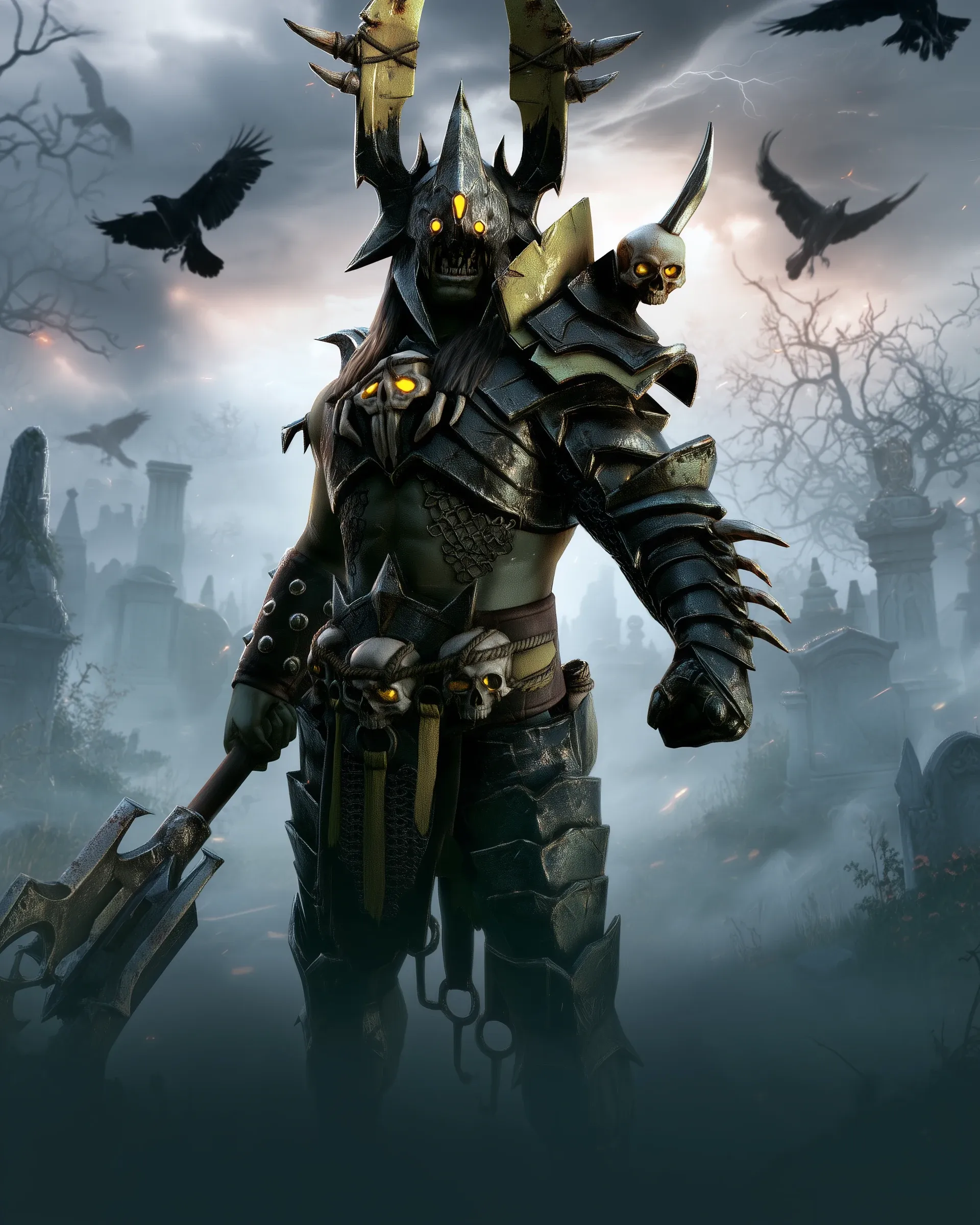
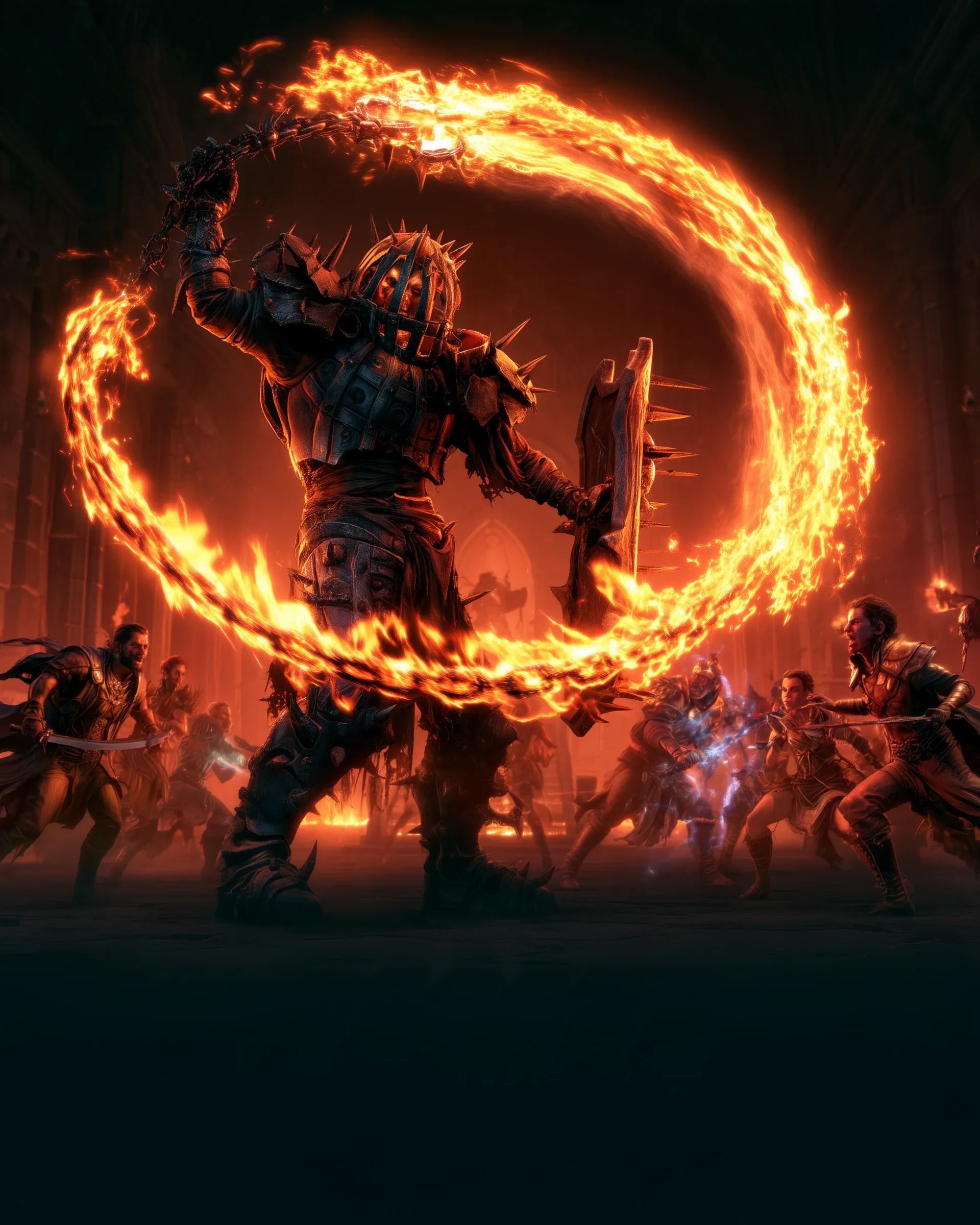
The pitch is simple if you have gacha brain: collect Champions, upgrade them, build squads, chase better gear, and keep nudging your account toward harder content. The scale is the hook, and it is genuinely hard to overstate. Plarium's own store copy advertises more than 850 Champions, and more recent counts put the live roster past 1,000. Either way, your barracks becomes a fantasy staffing department with swords, horns, skull masks, and at least one poor soul waiting on resources forever.
That size can look intimidating from the outside, but it also gives the game its bite. You are not just pushing a campaign map, you are shaping a roster that keeps asking, "What if this weird little squad actually works?" That question is the good stuff.
Raid: Shadow Legends Gameplay and Core Loop
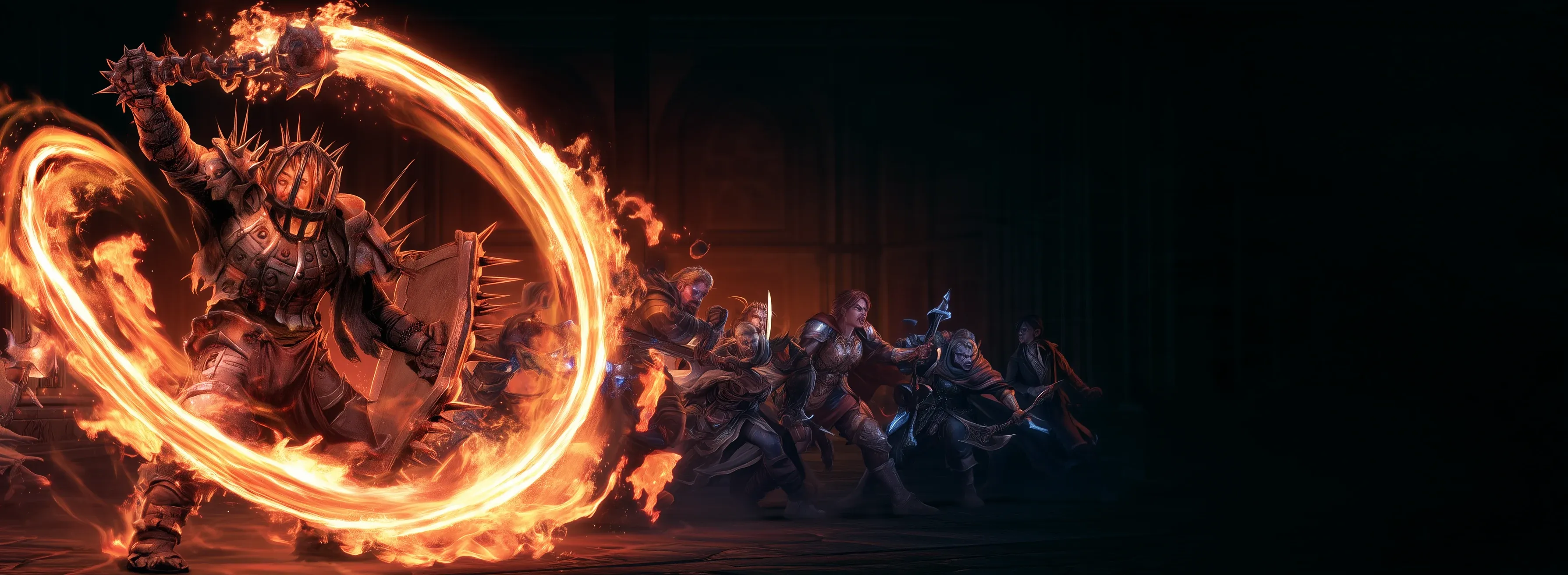
Raid: Shadow Legends is at its best when it treats every fight as the payoff for squad planning, Champion collecting, and careful upgrade choices. The battle layer is turn-based, but the real electricity starts before swords hit armor: which Champions make the team, which skills they bring, how upgraded they are, and whether your current lineup can handle the next dungeon, boss, campaign stage, or PvP opponent.
The 20-minute loop is menus, murder, rewards, repeat
A typical short session has a clean rhythm. You collect login and quest rewards, check events or challenges, spend resources on Champion upgrades, send a squad into campaign or dungeon content, watch the turn-based fight unfold, then come back to the hub with gear, currency, or progress toward the next pull. Then you do the dangerous thing. You look at your roster and think, "Just one more upgrade."
That is how Raid gets you. It does not need one giant quest to hold attention. It stacks small decisions: a Champion to level, a team to tweak, a dungeon to farm, a PvP matchup to test, a clan objective to help with. The campaign gives the fantasy framing, with battles across castles, dungeons, deserts, and temples, and the mode list stretches well past it into PvE, PvP, and clan content. Steam's store page lists eight game modes; Plarium's own description counts ten PvE and PvP modes. The exact number moves with whoever is doing the marketing, but the shape is consistent: the loop has far more outlets than a straight campaign march.
Shards are the little glowing troublemakers
Champion collecting runs through Shards, which are vessels containing the souls of past warriors. They are the gacha engine, the moment where planning meets luck and luck laughs in your face. The game uses five types (Mystery, Ancient, Void, Primal, and Sacred), each a different tier of lottery ticket for summoning new Champions.
The mechanic sounds tidy. The feeling is less tidy. You are collecting vessels, opening them, sorting the new faces, and asking whether the latest recruit earns a spot, feeds another upgrade path, or sits in reserve until the meta, your gear, or your patience changes. That is classic card-collecting pressure in RPG clothes, with a deckbuilding-adjacent twist: your "deck" is the bench, the gear pile, and the squad logic you bring into each mode.
Manual turns when it matters, auto-battle when it does not
Combat gives you direct authority over ability choices when a fight deserves attention, then hands repetitive encounters to automation so you can concentrate on equipment, upgrades, or another squad. That pairing is crucial to why the game survives daily play, and it is also suspiciously good at turning "one quick battle" into a full roster audit.
Team composition carries most of the weight, because every new hero changes the combinations available to you. Plarium points to more than a million community Champion builds, which captures the size of the theorycrafting rabbit hole without pretending every combination is equally useful. Raid's reputation has always had the volume knob snapped off because of its marketing, but the game itself has a sharper identity than the meme version suggests: BlueStacks praised its animations as unusually strong for the category and pointed to its more realistic fantasy combat style. In a roster game, a new Champion needs to feel like more than a portrait with numbers taped to it.
The turn-based structure also makes it easy to understand why a fight goes wrong. Maybe the team lacks enough upgraded power. Maybe the opponent's roster is simply nastier. Maybe your shiny new recruit looks cool but does not solve the actual problem. The game keeps pulling you back to the same satisfying question: what can your account build next?
Is Raid: Shadow Legends Pay-to-Win?
Raid: Shadow Legends is pay-to-win in the competitive and acceleration sense, but free players can still enjoy a large PvE and collection game if they treat spending pressure with discipline. That is the honest answer. It sells in-game purchases, includes chance-based purchases, and pushes temporary deals hard enough that Google Play reviewers complain specifically about popups, shop offers, and launch-screen promotions.
The shop is loud, so set your limits early
The problem is not that free players have nothing to do. It is that a gacha roster this crowded can put a specific Champion behind luck, patience, or a paywall shaped like a summoning portal. In a genre where Champions and upgrades determine power, that advantage matters, especially in PvP.
Google Play reviews are clear on the sore spots. One April 2026 reviewer praised the combat and heroes but said the promotion bombardment made the game annoying to open. Another February 2026 reviewer described enjoying the game for what it is, while feeling stuck in PvP against stronger paid Champion setups. Plarium's reply to a complaint about deal popups said many offers are temporary and shown so interested players do not miss them. Translation: the shop is going to wave at you. Often.
BlueStacks put the structural version plainly: progress is difficult if you do not plan to spend money on upgrades. That is the trade you are accepting at install.
What Plarium has done to soften the chase
Credit where it is due: the mitigations are real and recent. Plarium has added improved odds for selected Perfect Souls through an Altar of Souls Wishlist, made duplicate Mythical Champions useful as Faction Guardians, and rebalanced the Plarium Points Program for faster progress. Those changes do not erase the underlying advantage of spending, but they do give an existing collection more ways to matter, and they take direct aim at the single most common complaint: pulling a duplicate you cannot use.
If you are comfortable ignoring offers, saving Shards, playing events selectively, and accepting that top PvP tiers are not a moral obligation, there is a huge free-to-play path here. The trick is refusing to let every timer become homework. Build around what you actually pull, treat the competitive ladder as a long project rather than an invoice, and let the whales fund the chandeliers.
Raid: Shadow Legends Progression and Endgame
Raid: Shadow Legends becomes a long-term account-building game where daily discipline, event timing, clan play, and roster depth matter more than any single lucky pull. The first hours teach collection and combat, but the longer arc is about compounding gains, and about squeezing more value from the heroes already sitting in your account.
Your roster becomes the real campaign map
The early structure is familiar: work through campaign stages, gather rewards, improve Champions, unlock more things to do. Over weeks, the center of gravity shifts. The map still matters, but your account becomes the real territory. Which Champions are ready? Which need investment? Which teams handle specific dungeons? Which lineup survives PvP long enough to make you feel clever rather than mildly bullied?
New Champions stay exciting, but the surrounding systems increasingly decide whether a promising unit becomes useful. Gear selection, recommended loadouts, Souls, Relics, Gemstones, and duplicate assignments all pull at the same resource pool. Recent additions let you craft multiple Relics at once and mix Oils into other upgrade materials. They are small conveniences that reveal an economy built around many parallel improvement tracks. Recommended auto-equipping and expanded gear filters exist for the same reason: inventories here start resembling a cursed fantasy wardrobe.
That density is both the hook and the grind. You are rarely short of another lever to pull, but each additional system asks for attention and resources.
The endgame is a schedule, not a final boss
Endgame in a gacha RPG is not one last dragon. It is a calendar. Long-term play branches into Doom Tower, Chimera Battles, Live Arena, clan activities, limited events, and daily challenges. Doom Tower can auto-climb in the background, Chimera has a Quick Battle option, and Live Arena added win streaks, matchmaking improvements, and Gemstone rewards, all quality-of-life work aimed squarely at mature accounts balancing routine progression against fights that need real preparation.
Roster dilution is the long-term sore spot, and it is worth going in clear-eyed about it. Players argue that every wave of new heroes makes one specific desired pull harder to secure, especially when an activity strongly favors particular Champions. Fixating on a single missing unit is the fastest route to feeling stuck. The healthier rhythm is to develop flexible teams, put duplicates to work through systems like Faction Guardians, and celebrate useful options over one mythical perfect account.
The scale of the audience tells its own story: more than two million Google Play reviews and, by Plarium's count, over 98 million downloads. People gripe because the friction is real. People stay because the loop keeps producing new roster puzzles.
The best starting advice is boring and therefore powerful: do not build everything. Pick a core squad, push the content that gives useful rewards, join clan activity when you can, and save precious pulls for moments that actually help your account.
Is Raid: Shadow Legends Worth Playing?
Raid: Shadow Legends is worth playing if you want a giant fantasy collection RPG with crunchy squad building, constant goals, and the dangerous joy of one more Champion pull. It has the shape that makes gacha RPGs addictive in the good way: short sessions with visible rewards, long-term account growth, PvE and PvP ladders to push, and enough Champions to keep the theorycrafting alive for years.
You will love it if you enjoy tuning teams, farming upgrades, joining clan objectives, and letting a dark fantasy collection slowly take over your idle thoughts. You should skip it if heavy shop prompts, time-gated progress, or whale-shaped PvP pressure make you instantly grumpy. That is the honest line.
Go in smart and Raid has teeth in the best sense. Ignore the noise, build patiently, pick your battles, and let Teleria hand you another Shard. Obviously it might be trash. But what if it is the pull?