Deckbuilding has travelled from tabletop card sessions to PC and mobile, picking up card battlers, resource engines, and roguelike runs along the way. The thrill stays the same: you shape the deck while playing, then discover whether your clever plan actually survives the next draw.
Free-to-play fits that loop beautifully. The fundamentals are usually easy to learn, but changing card pools and strategic combinations keep matches and runs fresh long after the rules have clicked.
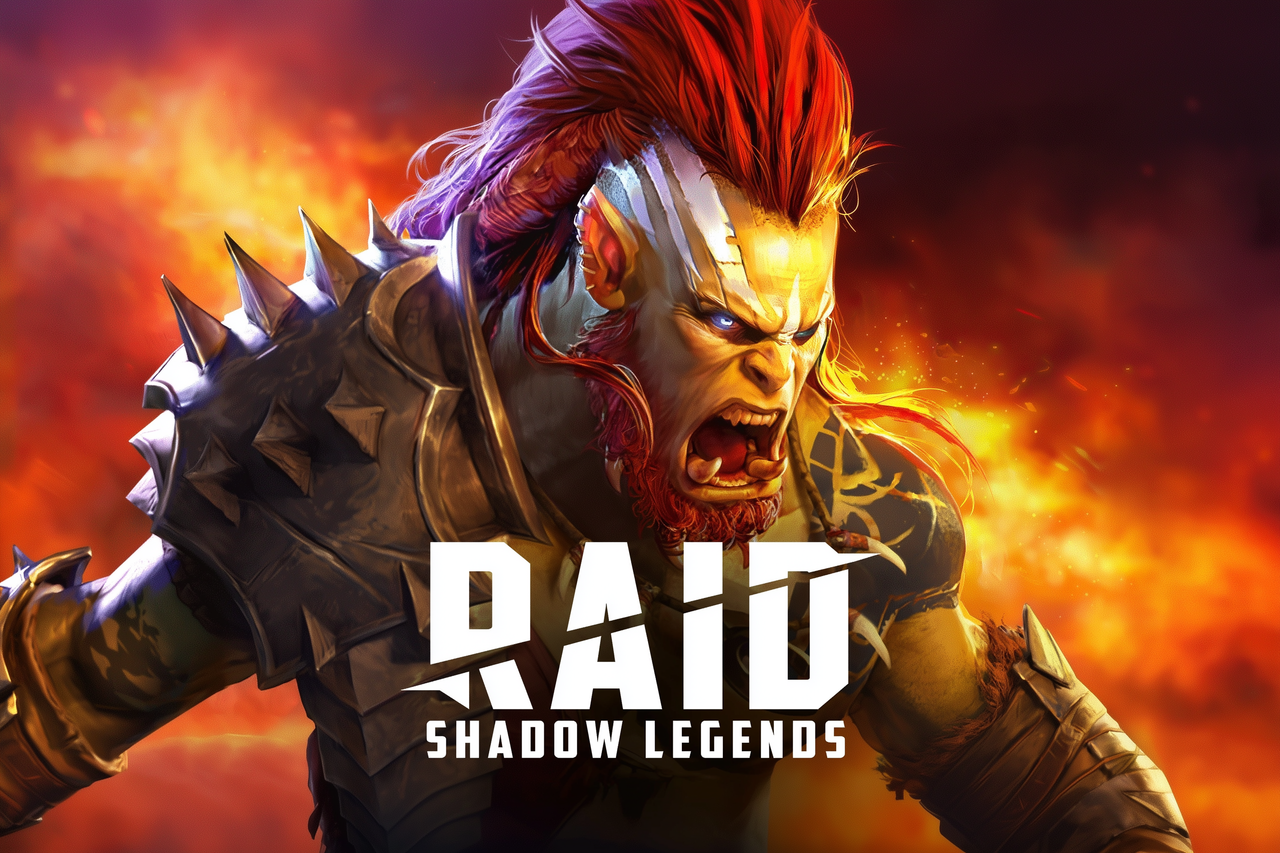
Raid: Shadow Legends is the fantasy gacha RPG that escaped its own ads and became the internet's loudest roster chase. It is a free-to-play, turn-based collection game set in Teleria, where Shards summon Champions, squads get tuned like machines, and the roster past 1,000 heroes keeps handing you new problems to solve. If you love team-building, PvP scheming, and the delicious chaos of your next pull, there is plenty here, with a gacha grind and eager shop offers attached.
Honkai: Star Rail puts HoYoverse’s character-collecting spectacle aboard a sci-fi space train, with turn-based battles and swappable parties of four. If anime drama, tactical team-building, and plotting your next gacha pull sound like your kind of cosmic trouble, grab a ticket.
A deckbuilding game usually begins with a set deck. You draw cards, spend them on actions, and gradually add new options as the game unfolds. That creates a delicious problem: every tempting addition can make your deck stronger, but it can also make the cards you truly need harder to draw.
The central pleasure is control, because every card you add changes the hands you might see later. Some games turn that decision into direct combat. Others focus on resources, card manipulation, or run-based challenges where you begin again and explore another strategy.
We selected and reviewed the games featured on this page ourselves. Our featured pick leads at the top, giving you a clear place to begin without pretending that every player wants the same style of deck. You might prefer aggressive combinations, careful resource planning, or a flexible build that can wriggle out of an ugly draw.
The basic loop is approachable, while the range of possible decks gives it staying power. Find the style that suits your brain, then press Play Now to start the game. Your future hand is waiting.
Deckbuilding Tips for Cleaner Combos and Better Draws
Learn the card economy: Understand how cards are gained, played, discarded, and returned to circulation. Also learn what limits your actions each turn. A powerful card does little if its cost regularly leaves it stranded in your hand.
Choose a plan early: Build around a clear route to victory rather than collecting every attractive card. Combat power, resource generation, and deck manipulation can all work, but they need support from the rest of the deck.
Trim weak cards when possible: Removing an outdated card can improve every future draw. A lean deck reaches its strongest combinations more consistently. That modest removal choice may matter more than another flashy addition.
Balance focus with flexibility: A focused deck produces reliable combinations, but excessive specialization can leave it helpless against an awkward situation. Keep enough answers to handle disruption without stuffing the deck with cards that dilute your main idea.
Judge cards by synergy: Ask what a new card does for your current deck, not how impressive it looks alone. A modest effect that supports your engine can outperform a spectacular card that never arrives at the right time. Shiny is not the same as useful. Tragic, really.
Respect draw odds: Adding a card affects the probability of drawing everything else. Before taking another reward, consider whether it improves your plan or merely makes the deck thicker.
Plan the whole turn first: Check your resources, available actions, and likely card interactions before committing. Playing the obvious card immediately can close off a stronger sequence.
Adapt to randomness: Luck can shape draws and rewards, especially in run-based deckbuilders. Good play is less about demanding the perfect hand and more about building a deck that still functions when the cards arrive in an inconvenient order.
Use resets as information: Starting over is common in roguelike deckbuilding. Treat each run as a chance to test another combination, understand a mechanic, or spot which cards were quietly clogging the works.
Deckbuilding Runs, Card Battles, and Resource Engines
Deckbuilding is broader than straightforward card combat. Some games revolve around defeating opponents, while others make resource management or deck manipulation the main event. Roguelike formats often reset the active deck between runs, then gradually expand the wider pool of possibilities as you progress.
Across every variation, the defining choice is whether a new card strengthens your plan enough to justify taking up space. That tension gives the genre its replayability. The same starting rules can lead toward a tight combo deck, a broad tactical toolbox, or an ambitious contraption that needs several moving pieces to cooperate.
Start with the theme and pace that catch your eye. The deeper strategy will follow soon enough, usually right after your deck teaches you why taking every reward was a terrible idea.
FAQ
FAQs
A deckbuilding game lets you shape your deck as you play, adding useful cards and sometimes removing weaker ones. Every choice changes what you might draw next, which is where the strategy gets spicy.
Deckbuilding games are a type of card game, but the key difference is that your deck develops during play. You are influencing future hands rather than simply working with a fixed deck.
Learn the core mechanics, then build around cards that support the same plan. A smaller, focused deck can be more reliable than grabbing every impressive card that wanders past.
Different draws, card choices, and strategies can send each playthrough in a new direction. Combat, resource management, deck manipulation, and roguelike progression add even more room to experiment.
Our featured pick is shown at the top of this page. Start there if you want a strong introduction to the genre, then press Play Now to start the game.