Browse more
All Genres →

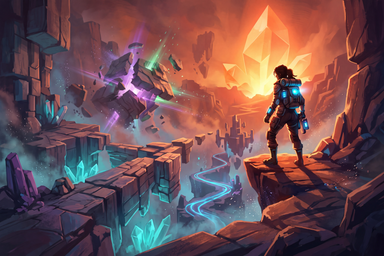
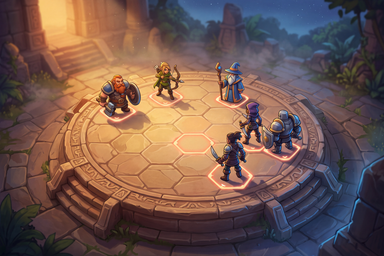
Built for Adapting, Not Memorizing
Roguelite games are built for players who enjoy adaptation more than memorization. A run might hand you an awkward weapon, an unexpected card combination or scarce early resources. Your job is to make it work before the difficulty climbs. The real progression is your growing ability to spot useful combinations under pressure.
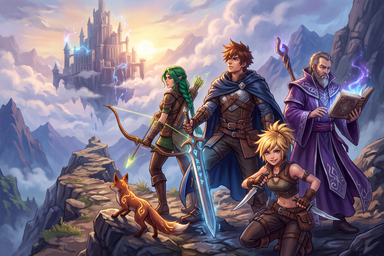
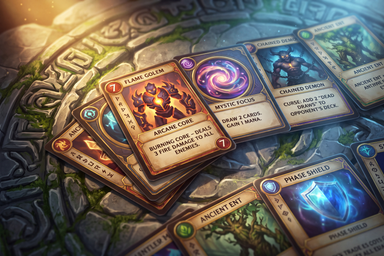
The genre covers plenty of ground. Action-focused runs test positioning and reactions against waves of enemies. Deckbuilding variants make every card choice part of a larger engine. Strategy and tower defense runs turn random enemy compositions into shifting tactical puzzles, while survival formats ask you to balance exploration, resources and looming threats.
Compared with traditional roguelikes, roguelites often use simpler or more forgiving rules. Many also add persistent upgrades, unlockable classes or alternate modes that soften the sting of defeat. Permadeath can still wipe a run clean, but the next attempt may begin with more options or, crucially, more knowledge. That makes the format welcoming to newcomers and dangerously effective at keeping experienced players thinking about the build that got away.
Roguelite Survival Tricks for Better Runs
- Learn before you spend: Early upgrades can look irresistible, but information is often more valuable. Identify enemy patterns, resource bottlenecks and reliable escape routes before committing scarce currency.
- Build around what appears: Do not cling to a perfect setup when random rewards refuse to cooperate. Strengthen the best synergy already taking shape instead of waiting for one magical drop.
- Protect your movement: Damage matters, but positioning keeps a run alive. Preserve room to retreat, circle threats or reach safer ground before the screen becomes crowded.
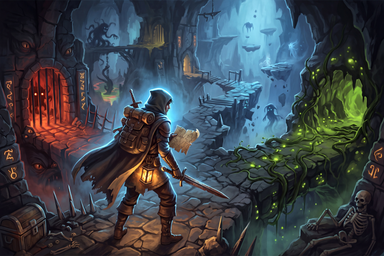
- Explore with an exit plan: Mapping edges and escape routes reduces the chance of being surrounded. Greed is useful right up until the loot is sitting beside your defeat marker.
- Respect compounding choices: A weak resource decision early can become a crisis several encounters later. Spend with the next threat in mind, especially when healing or upgrade opportunities are limited.
- Experiment with classes: Different classes can reshape skills, pacing and viable builds. Trying unfamiliar options teaches mechanics that a favorite setup may let you ignore.
- Treat defeat as data: Work out whether the run ended because of poor positioning, a scattered build or an avoidable resource shortage. Fix that specific mistake next time, then send the enemies the revised paperwork.