Browse more
All Genres →

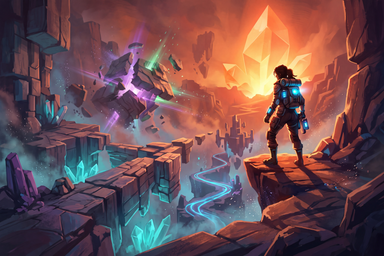
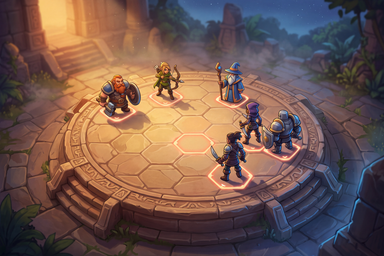
Roguelike Runs Reward Curious Players
A roguelike asks you to enter uncertain territory, work with what the run gives you and accept the consequences when a decision goes sideways. Procedural generation changes layouts, encounters or events, while permadeath prevents success from becoming routine. The genre is at its best when failure teaches you something useful for the next attempt.
That structure suits players who enjoy discovery more than scripted repetition. You might commit to a weapon, shape a build around an unexpected upgrade or conserve resources for a threat that may appear later. The fun sits in those decisions. Raw reflexes can help, but reading patterns and adapting your plan matter just as much.
It also suits anyone who likes games with a strong learning curve but short feedback loops. A run ends, the lesson sticks and a fresh attempt begins. Your plan may collapse immediately, but the attempt still tells you which assumption was wrong.
How to Make a Roguelike Run Last Longer
- Treat death as data: Identify the choice that put the run in danger. A missed attack matters, but poor positioning, reckless spending or an unfocused build often caused the problem earlier.
- Explore before committing: Learn what encounters, resources and upgrades are available before locking yourself into a narrow strategy. Information is often more valuable than an early burst of power.
- Build around what appears: Procedural generation will not always hand you the setup you wanted. Combine the strongest tools you actually receive instead of waiting for a perfect item that may never arrive.
- Learn enemy patterns: Watch attack timing, movement and boss behavior. Recognizing a dangerous sequence turns panic into a decision you can manage.
- Protect the run, not your pride: Retreat, heal or skip a risky reward when the odds look ugly. Permadeath makes survival a resource, so spend it carefully.
- Experiment with purpose: Change a weapon, route or upgrade priority when a strategy stalls. Random attempts create noise. Focused experiments teach you why a plan worked.
- Use permanent progression wisely: In roguelites with upgrades between runs, favor improvements that support several strategies before pouring everything into one specialized path.
Roguelikes and Roguelites Change the Stakes
Traditional roguelike design leans heavily on procedural generation and permadeath, making knowledge the main thing carried from one attempt to the next. Roguelites soften that reset with persistent upgrades, expanding home bases or other forms of progress between runs. Both approaches thrive on the same rhythm: explore, experiment, fail, learn and return with a better plan.
The format also handles genre mash-ups unusually well. Action combat can make every encounter immediate, resource management adds long-term pressure, and base building gives failed runs a wider purpose. The label matters less than the tension at its core. You enter with limited certainty, make the best of an imperfect hand and see how far your decisions can carry you.