Naraka: Bladepoint Review
Naraka: Bladepoint Overview
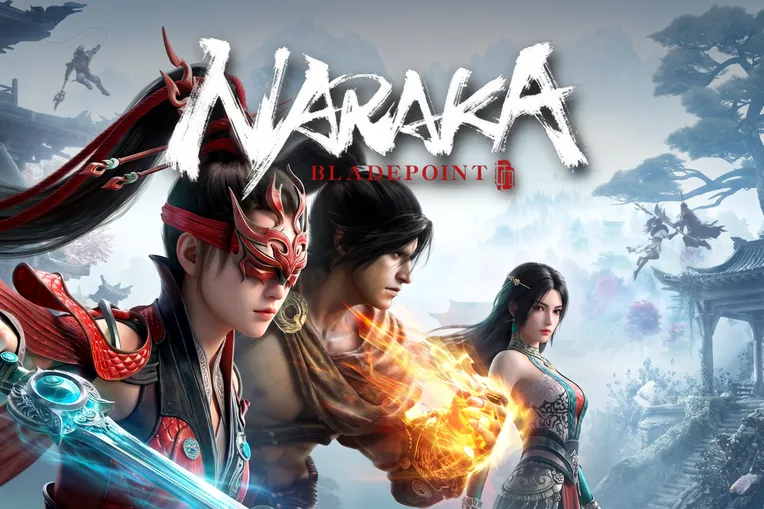
Naraka: Bladepoint turns the battle royale formula into a fast, theatrical martial arts brawl built around blades, parkour, grappling hooks, and hero powers. Developed by 24 Entertainment and published by NetEase Games, this free-to-play multiplayer fighter sends up to 60 players onto Morus Island in solo or trio matches.
The setup suits anyone who prefers closing distance to crouching in shrubbery. Its wuxia style feeds directly into the action: heroes scramble over terrain, zip toward targets, clash with melee weapons, and occasionally transform into a gigantic Vajra Warrior for some supernatural bonk. Windows, Xbox, and PlayStation players can all join the fray.
Naraka: Bladepoint Gameplay and Core Loop
A typical match mixes battle royale scavenging with unusually mobile, close-quarters combat where reading an opponent matters as much as finding better gear. You choose a hero, enter alone or with a trio, gather melee and ranged weapons, and fight to become the last player or team standing. Familiar bones, sharper teeth.
Grappling hooks make trouble travel quickly
Parkour and the grappling hook keep Morus Island from feeling like a long jog between ambushes. The hook works for traversal and combat, so distance is rarely a permanent safety net. A rival can cross space quickly, while a determined player can use the same mobility to reposition or pursue.
That freedom gives each encounter a pleasing sense of possibility. Ranged weapons remain part of the arsenal, but the design puts martial arts-inspired melee at center stage. Fights are about getting close, choosing an attack, watching for the answer, and responding within the rock-paper-scissors combat structure. It is much more personal than trading distant potshots.
The blade has a learning curve
Each hero brings a regular skill, an ultimate, and customizable talents, which adds another layer beyond whatever weapon you picked up. These abilities can alter how you approach a clash or support your trio, while spectacular options such as the Vajra Warrior transformation supply the necessary battle royale nonsense. Very dignified. Absolutely enormous fists.
The tradeoff is intensity. Critics have praised the fluid combat and martial arts action, though crowded encounters can turn chaotic. Other reviews describe the system as challenging to master, especially when the pace rises. That is the price of a combat model with more to learn than point, click, and hope. Once its counters and movement begin making sense, every nearby opponent becomes an invitation rather than background scenery.
Is Naraka: Bladepoint Pay-to-Win?
No documented criticism establishes Naraka: Bladepoint as pay-to-win, although its cosmetic focus and broader business model have drawn complaints. Steam lists the game as free to play, making the complete competitive premise accessible without an upfront purchase.
There is still baggage worth knowing. Some Metacritic user reviews complain that cosmetics receive too much attention. Those are fair grumbles, especially if flashy outfits start feeling more prominent than fixes or matchmaking improvements. They do not, however, show that players can buy superior combat statistics.
The sensible free-player approach is simple: treat cosmetics as optional and judge the game by its swordplay. The hook here is mechanical mastery, not opening your wallet, so you can enter Morus Island, learn its systems, and decide later whether looking fancy while being launched through a wall matters to you.
Naraka: Bladepoint Progression and Competitive Play
The long-term reward is learning heroes, weapons, movement, and counters well enough to turn frantic scraps into deliberate wins. Hero skills and talents let you shape a preferred style, while solo and trio queues ask for different habits. Playing alone puts every decision on you. Team play adds coordination, ability combinations, and the timeless challenge of getting friends to attack the same target.
This is a skill-driven climb rather than a gentle onboarding tour. Critics have flagged the high bar for newcomers, and some Metacritic user reviews report uneven matchmaking, long waits, or encounters affected by regional connection quality. Those complaints matter in a game where timing decides melee exchanges.
A new player will get more from narrowing the homework: choose a hero, become comfortable with a small weapon selection, and learn what answers each combat option before chasing every possible build. Naraka rewards repetition because its core systems have room for improvement. The first goal is survival. The next is making that grappling-hook arrival look intentional.
Is Naraka: Bladepoint Worth Playing?
Naraka: Bladepoint is worth playing if you want battle royale tension with expressive movement and melee combat that demands real study. Its 3.55 out of 5 score fits a game with a strong identity and genuine mechanical ambition, tempered by a steep learning curve, occasional combat clutter, and reported matchmaking concerns.
You will love it if swords, hero abilities, parkour, and high-speed duels sound better than patient long-range hiding. Skip it if you want relaxed matches or instantly readable combat. For everyone else, free entry makes the pitch easy: pick a hero, grab the grappling hook, and go make Morus Island somebody else's problem.