State of Survival Review
State of Survival Overview
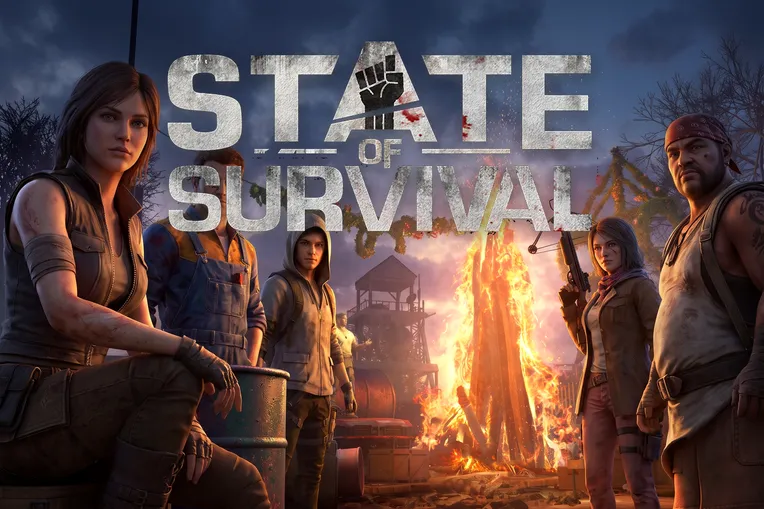
State of Survival turns zombie cleanup into a sprawling command job, mixing settlement management, hero combat, troop deployment, and multiplayer conflict. FunPlus International built it for players who want more than a lone survivor and a rusty shotgun. Here, you are the chief. You reclaim territory, strengthen an outpost, and prepare it for both undead hordes and rival factions.
The game began on mobile before reaching Windows, with its Steam release arriving on August 2, 2023. It is free to play across PC, iOS, and Android, while Steam lists support for English and 18 additional languages. FunPlus also says the wider mobile release passed 150 million downloads, so this apocalypse has plenty of neighbors.
Its blend of city building, real-time tactics, hero development, PvP, and massively multiplayer competition is aimed squarely at players who enjoy having six jobs before breakfast. Chief, quartermaster, squad commander, zombie exterminator. Lovely benefits package.
State of Survival Gameplay and Core Loop
The core loop keeps your attention moving between settlement upgrades, troop preparation, world-map expeditions, and compact real-time battles. Most of your time belongs to the base. You construct and improve buildings, gather supplies, train units, and steadily turn a vulnerable refuge into something capable of surviving attacks from zombies and hostile factions.
Twenty minutes, several emergencies
A short visit naturally breaks into quick command decisions. You can set building improvements in motion, collect materials, prepare troops, equip heroes, and dispatch an expedition across the world map. The emphasis is on keeping several progression tracks moving rather than pouring every minute into one long tactical battle.
That structure suits quick check-ins, but there is enough overlap between systems to keep the routine from feeling like pure menu maintenance. Base development feeds troop strength. Troops open expedition options. Heroes carry their own gear and skills into missions. One minute you are improving the settlement, the next you are deciding which specialist gets sent toward the next pack of shambling problems.
Heroes bring the sharp end
Explorer Trail missions shift into real-time combat, where heroes face incoming groups of infected. Each character has distinct abilities. Sarge, for example, can deploy a powerful but fragile turret that adds firepower and helps hold enemies back. Placement and timing matter because that handy little gun emplacement cannot shrug off punishment forever. Zombies, famously, do not respect personal property.
These encounters give the hero roster a practical purpose beyond collecting portraits. Building up characters, equipping their gear, and matching their skills to different threats adds a tactical layer to the broader conquest game. The contrast is the hook: careful settlement administration gets punctured by bursts of real-time panic. Keep the walls rising, keep Sarge supplied, and try not to let the apocalypse notice your to-do list.
Is State of Survival Pay-to-Win?
State of Survival is free to play, but the available store information does not establish whether purchases provide decisive competitive power, so a firm pay-to-win label would be guesswork. Steam confirms the free entry point, yet it does not provide enough detail here about individual purchases, pricing, paywalls, or how spending affects PvP strength.
That matters because this is a multiplayer strategy game with rival factions and long-term upgrades. Those ingredients can make spending pressure especially important, but they do not prove that whales automatically rule every fight. The sensible free-player approach is simple: learn the upgrade rhythm, build your roster, and see how comfortably the timers and competitive systems fit your routine before buying anything.
You can therefore sample the settlement loop and hero battles without an upfront fee. Treat the opening stretch as reconnaissance, spend only when the value is clear, and keep your wallet behind a sturdier wall than the outpost.
State of Survival Progression and Multiplayer
Long-term progression revolves around expanding the settlement, strengthening troops, improving heroes, and pushing farther into a shared world shaped by PvP and rival factions. The game keeps several ladders running at once. Buildings climb through upgrades, soldiers become a larger fighting force, heroes gain equipment, and expeditions carry that accumulated strength beyond your gates.
The long arc is less about reaching a traditional ending and more about maintaining momentum. There is always another structure to improve or squad to prepare, which gives regular players a clear reason to return. It can also become repetitive, since building, gathering, training, and upgrading account for most of the underlying conquest loop. If watching numbers rise makes your brain produce the good chemicals, you are in business. If you need every evening to produce a completely new activity, the routine may wear thin.
Multiplayer competition supplies the larger stakes. Your settlement must withstand more than zombie pressure, while alliances and rival factions turn personal advancement into a social contest. Steam user reviews reflect that split appeal: 55 percent of 483 reviews are positive, earning the game a Mixed label. Still, players who enjoy persistent strategy worlds may find that friction is exactly what gives every upgrade teeth. Build today, posture tomorrow, answer alliance chat politely.
Is State of Survival Worth Playing?
State of Survival is worth trying if you want a free strategy game where city growth, hero tactics, zombie battles, and multiplayer rivalry all feed the same persistent campaign. Its strongest trick is variety within a familiar routine. You are not merely upgrading buildings, because those improvements support troops, expeditions, and real-time hero fights. Sarge's deployable turret alone adds more personality than another anonymous progress bar.
At 3.6 out of 5, it earns a recommendation with sensible expectations. Players who love layered base building, roster improvement, PvP pressure, and recurring check-ins should feel at home, while anyone seeking a self-contained campaign or fully documented spending boundaries may prefer to keep their commitment light. The gate costs nothing to open, though. Step inside, claim the chief's chair, and make the zombies regret approaching during construction hours.