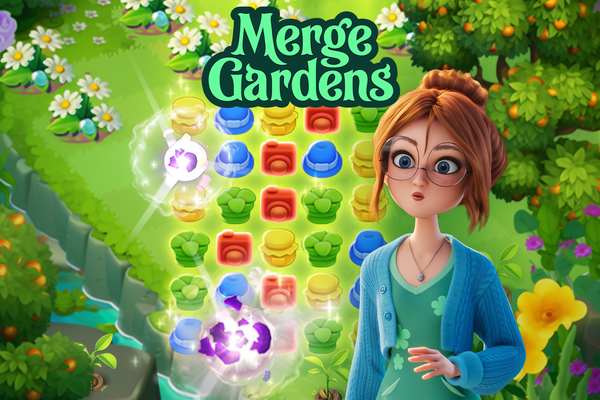
02 Merge Gardens
Merge Gardens turns Daisy’s inherited, overgrown estate into a three-way obsession: merge objects, crack match-3 boards, and unravel the mystery of her missing uncle. If cozy restoration with a magical-garden twist scratches your “one more merge” itch, this free-to-play charmer could happily eat your tea break.
Aesthetic games turn style into part of play
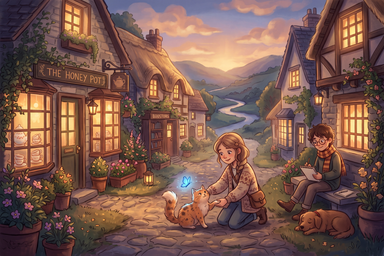
A strong aesthetic game does more than put a lovely palette around familiar mechanics. Its art, audio, rules, and interactions work together to create a particular feeling, whether that means calm concentration, nostalgic warmth, playful chaos, or the urge to inspect one more hidden corner.
We selected and reviewed the games shown here ourselves, looking at how well their presentation supports what you actually do. That includes exploration that keeps rewarding curiosity, customization that lets you leave a personal mark, puzzles with room for creative solutions, and social features that help ideas travel between players.
The featured pick leads at the top of the page, giving you a clear starting point for the category. It represents the appeal of aesthetic play especially well: style with a purpose, rather than decoration pasted over the action.
Your best match still depends on the mood you want. A cozy puzzler can deliver small, satisfying tasks at your pace. A narrative game can use choices, art, and sound to pull you into its world. Creative and community-driven games give your decisions a life beyond the original challenge. For a browser-play entry, press Play Now and you can start without a download. Nice and direct.
Aesthetic game habits that make the mood click
- Follow your curiosity: Explore optional paths, inspect unusual details, and revisit spaces after the game introduces a new ability or idea. Discovery is a major part of the appeal.
- Make the character yours: Use customization, clothing, decoration, or equipment choices as forms of expression. A small personal touch can make the world feel much more inviting.
- Listen as closely as you look: Music, ambient sound, interface noises, and audio cues can carry as much of the mood as the artwork. They often tell you when a scene is calm, tense, nostalgic, or ready to change.
- Solve problems your way: When a puzzle or system allows experimentation, try the solution that makes sense to you before chasing an optimized answer. Creative ownership is part of the fun.
- Practice the satisfying parts: Repetition can turn an awkward sequence into a clean routine. That growing sense of mastery gives stylish games substance after the first visual impression.
- Connect beyond the screen: Share creations, discuss discoveries, or compare interpretations when community features are present. Fellowship can keep a game interesting long after its central path is familiar.
- Choose by mood, not screenshots alone: Decide whether you want gentle tasks, exploration, storytelling, customization, or a sharper challenge. Pretty is good. Pretty and personally interesting is better.
Aesthetic play reaches beyond graphics
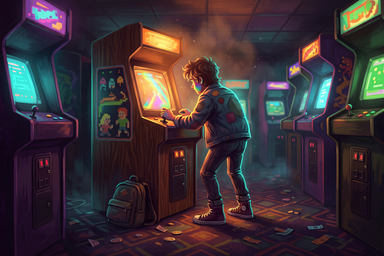
In games, aesthetics can mean the visual and audio layer, but the larger experience also includes the rules, limitations, expectations, and feelings created through interaction. A soft color scheme might suggest relaxation, yet the pace and challenge determine whether the game actually feels relaxing. The same principle applies to nostalgic pixel art, storybook illustration, unusual interfaces, and carefully chosen sound effects.
The most convincing aesthetic games make their look, sound, and mechanics pull in the same direction. Exploration supports wonder. Customization supports expression. Practice supports mastery. Shared spaces or creations support community. Nothing needs to shout for attention when the pieces already agree.
That is why this category can include puzzles, adventures, simulations, interactive stories, and creative experiences without losing its identity. Pick the feeling you want, press Play Now on a game that supports browser play, and let the whole design do the talking.