Browse more
All Genres →

Pixel Graphics Reward Players Who Value Clarity and Character
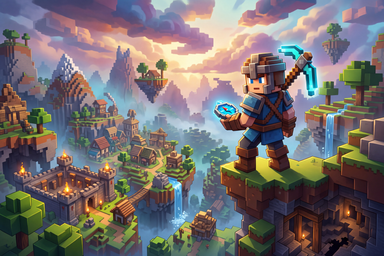
Pixel graphics build images at the level of individual pixels, using deliberate colors and shapes to define characters, objects, and environments. The style began as a technical necessity on early computers and consoles, including the Commodore 64, NES, and ZX Spectrum. Modern developers use it by choice. Nostalgia matters, but good pixel art is not trapped in the past.
These games suit you if strong silhouettes, readable action, and expressive animation matter more than realistic detail. A tiny sprite can still communicate danger, personality, or a particularly questionable fashion choice. Usually at a glance.
The visual style does not dictate the gameplay, either. Pixel graphics can frame tactical battles, relaxed progression, competitive shooting, open exploration, resource management, or player-driven economies. That flexibility is the real draw: familiar visual language, wildly different ways to play.
Pixel Art Habits That Make Every Sprite Easier to Read
- Learn the silhouettes: Focus on each character or enemy’s overall shape before studying small details. Strong pixel art often communicates roles and threats through outlines, scale, and color.
- Watch animation cues: Limited frames make every movement count. A raised weapon, flashing tile, or brief color change may signal an incoming attack or interaction.
- Separate decoration from information: Detailed backgrounds can be lovely, but objectives, hazards, resources, and usable objects deserve your attention first.
- Adjust the scale carefully: Choose a display size that keeps sprites readable without making the play area feel cramped. Crisp edges are part of the appeal.
- Match the pace to your taste: Pixel graphics cover fast shooters, thoughtful strategy, open-world sandboxes, and low-input idle games. The art style may hook you, but the gameplay loop decides whether you stay.
- Check the progression model: Some free-to-play games sell purchases that speed progress. Decide whether you prefer steady advancement, competitive play, creative building, or a more hands-off campaign before investing your time.
- Give visual shorthand time to settle: New tiles, icons, and enemy palettes can look dense at first. Once their meanings click, the screen becomes faster to parse and far more satisfying.