Tribal Wars 2 Review
Tribal Wars 2 Overview
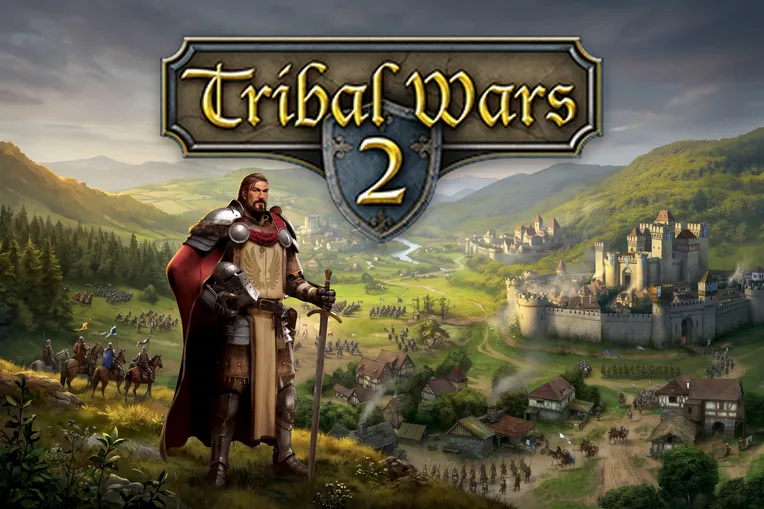
Tribal Wars 2 turns one small medieval village into a shared-world struggle where armies, alliances, and patient planning decide who owns the map. InnoGames released this free-to-play sequel in open beta on September 2, 2014, bringing the strategy and teamwork of the 2003 original into a sharper interface with updated artwork.
You begin as a village ruler, raise defenses, train soldiers, and push outward into real-time PvP. Axemen and spear fighters handle the early dirty work, while riders, generals, and siege weapons broaden the military options. The Hospital, Tavern, and Hall of Orders join the returning building lineup, with the Tavern enabling spying and counterespionage. Medieval bureaucracy, now with professional snooping.
It is built for planners who enjoy gradual base growth and social pressure more than instant action. Browser, iOS, and Android versions share the same account and game world, so your rivals and allies remain present when you change platforms. That persistent political board is the real attraction.
Tribal Wars 2 Gameplay and Core Loop
The core loop is a satisfying rhythm of building, recruiting, scouting, and sending armies into a map shaped by real players. A typical short check-in revolves around advancing the village, managing building orders, training troops, and reviewing the strategic map before making the next move. Different areas provide distinct resource-production boosts, while army movements appear on the map in real time.
Your village is only the opening move
The settlement grows toward a fortified castle, but construction is merely the machinery behind the larger conquest game. Every improvement feeds military strength or expansion. Soldiers defend your territory, offensive forces seize opportunities, and siege weapons give developed kingdoms heavier tools for cracking resistance.
The Tavern adds another layer through espionage. You can investigate other villages and protect your own from the same treatment, which makes information part of the fight rather than decorative flavor. You are not simply asking whether an enemy village looks vulnerable. You are asking whether it looks vulnerable because its ruler wants you to think that. Sneaky.
Tribes turn arithmetic into politics
Tribal play is where the design gains teeth. Players form tribes, build alliances, and coordinate against other groups, so an isolated troop order can carry consequences far beyond one village. The new tribe quest system also gives organized groups another shared objective.
This focus on teamwork separates the game from a solitary city builder. Your walls matter, but so do the people standing beside them. Once rival tribes begin maneuvering around the same territory, every quiet patch of map starts looking suspiciously temporary.
Is Tribal Wars 2 Pay-to-Win?
Tribal Wars 2 can be played for free, but purchasable Crowns create enough competitive concern that community reviews commonly describe it as pay-to-win. InnoGames says the game is free without gameplay restrictions and offers optional in-game purchases. App Store feedback, however, specifically complains about heavy Crown spenders gaining an unwelcome edge as protection ends and larger players expand.
That does not erase the free path. Patient players can still build, recruit, join tribes, and participate in the shared world without paying. The sensible approach is to treat spending as part of the competitive landscape, lean into tribal coordination, and avoid expecting a wallet-neutral race at the sharpest end of PvP.
The good news is that the central fantasy is not locked away. Your village, armies, alliances, and territorial ambitions are all available for free. Bring patience, bring friends, and let somebody else finance the fancy medieval paperwork.
Tribal Wars 2 Progression and Player Experience
Long-term progression grows from one vulnerable settlement into a multi-village kingdom, with tribal warfare providing the reason to keep expanding. Over weeks, the focus shifts from basic survival toward managing more territory, larger forces, and coordinated campaigns. The slow pace gives each expansion weight, while persistent rivals ensure growth has a purpose beyond making numbers climb.
There is friction to know about. MMOs.com flags slow progression, repetition, and the risk of established players bullying beginners. Google Play reviews also report crashes, connection trouble, and long loading times on mobile, particularly for developed accounts with many villages. The browser version receives more favorable comments from those same players, making it the safer home base if the apps prove troublesome.
Cross-platform access still has real value: the same account carries between browser and mobile, with the same world, rivals, and allies waiting. New rulers should join a tribe rather than treating the map as a solo campaign. Cooperation supplies protection, direction, and the political drama that keeps another building timer from feeling like mere housekeeping.
Is Tribal Wars 2 Worth Playing?
Tribal Wars 2 is worth playing if you want a patient medieval strategy MMO where alliances and territorial pressure matter as much as the next upgrade. Its village growth is easy to grasp, but spying, real-time army movement, regional resource boosts, and tribe politics give the wider campaign bite. The 3.9 out of 5 score fits: strong social strategy, tempered by grind, paid advantages, and reported mobile trouble.
Love long-form base-building and coordinated PvP? Rally a tribe. Want rapid progress, strictly equal competition, or a flawless mobile experience? Skip it.
For everyone in between, the browser version offers the cleanest invitation. Raise the walls, recruit the axemen, and find out which neighboring village has been looking at your map a little too closely.