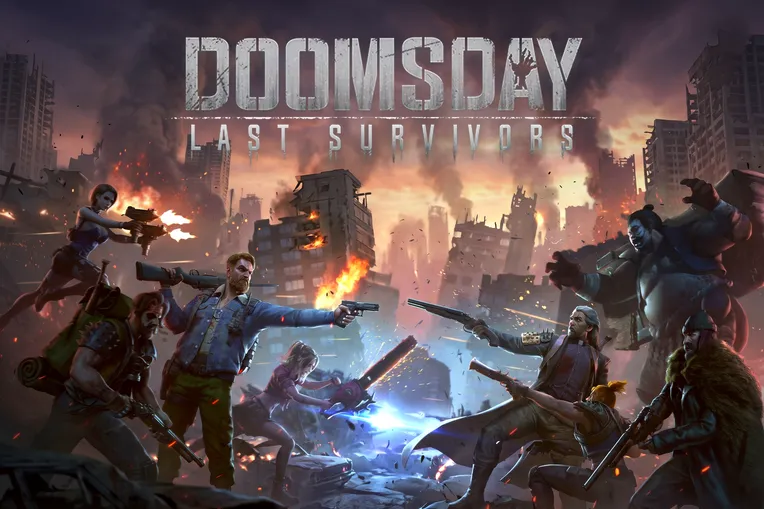
Doomsday: Last Survivors Review
Doomsday: Last Survivors Overview
Doomsday: Last Survivors is an energetic blend of shelter management, real-time tactics, tower defense, hero collecting, and large-scale multiplayer conflict. Developed by IGG SINGAPORE PTE. LTD. and published by IGG, it launched on September 15, 2021, for Windows, iOS, and Android.
The setup wastes no time. Zombies have swallowed the near future, civilians need shelter, and rival commanders are perfectly happy to raid whatever the undead leave behind. You take charge of survivors, rebuild essential facilities, recruit heroes, clear infected territory, and join an alliance before somebody decides your stockpile would look better in their warehouse.
It is aimed squarely at players who enjoy watching a battered camp grow into a military machine. The familiar apocalypse fiction rarely surprises, but it gives every upgrade and defense mission an immediate purpose. The dead are at the gate. Build something pointy.
Doomsday: Last Survivors Gameplay and Core Loop
The core loop keeps your attention by bouncing between base upgrades, hero-led battles, exploration, resource collection, and multiplayer preparation. A typical short visit can involve collecting shelter supplies, repairing or improving a building, completing a compact quest, arranging heroes for a zombie wave, and sending forces toward the next objective.
Your shelter always needs one more thing
The shelter is the practical heart of the game. Buildings must be restored and improved, civilians need protection, and troops require the infrastructure to become useful. Early objectives guide you through essential facilities and barricade repairs, making the opening approachable even if 4X-style menus usually make your eyes glaze over.
That structure also creates a satisfying chain reaction. Better facilities support stronger forces. Stronger forces clear tougher areas. Those victories feed more resources back into the shelter. One minute you are tending to construction, the next you are deciding which walking corpse gets introduced to heavy ordnance.
Tower defense gives the heroes somewhere to shine
Combat is more involved than simply comparing army numbers. Zombie invasions ask you to choose hero formations and place fortifications, while the cast brings different combat identities to the field. Jaden specializes in precise gunfire that can cut through several zombies, while Catherine Calamity brings a chainsaw and the sort of coping mechanism no therapist would endorse.
Exploration adds another rhythm. Fog-covered areas hide objectives and infected routes, while some missions use larger maps where heroes move around, search for items, and fight enemies blocking the path. Quest lines can also demand stars and victories over increasingly powerful heroes. These diversions stop shelter management from becoming an endless procession of timers and collection icons.
The story choices deserve tempered expectations. Mobilegamernerd describes some apparent life-or-death decisions as small quests whose outcomes do not meaningfully matter. The writing also leans hard on recognizable zombie-fiction types, including the rugged protector, endangered child, chainsaw enthusiast, and grim survivor with secrets. Subtle? Absolutely not. Still, the clichés give the action an enjoyably pulpy frame, and the variety of tactical jobs keeps the next objective within biting distance.
Is Doomsday: Last Survivors Pay-to-Win?
Doomsday: Last Survivors carries pay-to-win potential because it combines in-app purchases with competitive growth and shelter raiding, although the available coverage does not identify a hard paywall. It is free to download, and its economy sits inside a multiplayer war game where stronger heroes, troops, and infrastructure naturally matter against other commanders.
That distinction is important. Hardcore Droid reported more than 30 hours without encountering a paywall or a sharp jump in building times, suggesting that free players can enjoy a substantial stretch of missions and development. At the same time, competitive alliances and raids reward faster account growth, so anyone chasing the upper PvP ranks should assume spending can influence the race even when it is not mandatory for basic progress.
The smart free path is to treat this as a long campaign rather than a sprint. Follow the mission structure, develop your main generals, keep the shelter working, and use an alliance to share the burden of larger conflicts. You can get plenty of zombie-smashing strategy without opening your wallet, especially if leaderboard glory is less important than building a capable little apocalypse commune.
Doomsday: Last Survivors Progression and Multiplayer
Long-term progression turns the shelter from a desperate refuge into a huge war base supported by upgraded heroes, trained troops, repeatable objectives, and alliance warfare. The early struggle for barricades and basic buildings gradually expands into larger armies, tougher hero encounters, wider exploration, and attacks on rival shelters.
The apocalypse keeps getting bigger
Character development and base growth run alongside each other. Missions strengthen your main generals, star-based quest lines provide further combat goals, and new heroes widen your formation options. That steady accumulation is the long-term hook: there is always another fighter to improve, structure to enhance, or infected zone to clear.
The growing scale does weaken the survival fantasy. Hardcore Droid points out that housing armies of thousands feels odd for an end-of-the-world shelter, and that is fair. Eventually, this is less about preserving a scrappy band of survivors and more about operating a zombie-themed state with an aggressive planning department.
Multiplayer gives all that growth somewhere to go. Alliances let commanders fight together, while rival shelters create a reason to keep troops trained and defenses ready. Steam lists 63 percent of 972 user reviews as positive, producing a Mixed rating, while the App Store sits around 4.7 from roughly 123,000 ratings. That split fits a game whose mobile-friendly progression and polished presentation can charm casual builders, while its competitive systems may be more divisive among PC strategy players.
There is no clearly documented final endpoint here. The lasting goal is the ongoing contest of stronger heroes, larger forces, alliance cooperation, and rival raids. If you enjoy a base that never quite finishes asking for attention, there will always be another wall to reinforce before dinner.
Is Doomsday: Last Survivors Worth Playing?
Doomsday: Last Survivors is worth trying if you want accessible base building and hero-driven tactics wrapped around a shamelessly dramatic zombie apocalypse. Its 3.15 out of 5 score reflects the tradeoff: the tactical variety and polished presentation carry real appeal, but familiar storytelling, competitive monetization pressure, and ever-expanding scale keep it from becoming essential.
Players who love collecting heroes, improving a shelter, and joining alliance wars should feel at home. Anyone seeking consequential narrative choices or a pure single-player survival game should skip it. For everybody else, it is free to start, easy to understand, and remarkably good at making one last barricade upgrade seem urgent. The zombies can wait. Probably.