DC: Dark Legion Review
DC: Dark Legion Overview
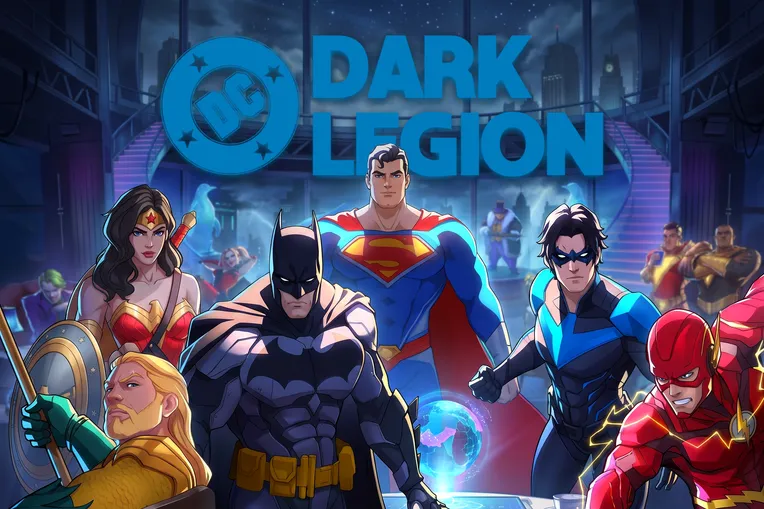
DC: Dark Legion turns a Dark Nights: Metal inspired crisis into a free-to-play strategy MMO built around base growth, roster building, and competitive alliances. FunPlus International AG launched it in March 2025 for Android, iOS, and desktop, giving DC fans a fresh excuse to put heroes and villains on the same squad.
The big draw is the setting. The Batman Who Laughs and his Dark Knights are mangled reflections of familiar icons, while Earth Prime supplies the battlefield for an original story. You build power, customize parties, and exploit character synergies while the wider multiplayer layer keeps everyone eyeing the next PvP target. Cheerfully unhealthy comic-book teamwork, then.
DC: Dark Legion Gameplay and Core Loop
The core loop mixes guided base upgrades with automated squad combat, leaving team composition and ability timing as your most meaningful tactical choices. A short check-in revolves around constructing whatever the current objective requests, improving your fighters, assigning equipment, and pushing into another battle or multiplayer task. The rhythm is quick and easy to parse, which suits players who want progress without spending an evening studying spreadsheets.
Your roster does the heavy lifting
Battles largely play themselves once the teams engage. Google Play feedback describes characters attacking automatically, with the player triggering special abilities as they become available. Those powers follow the current target rather than allowing precise manual aiming, so this is not a combat system built around twitch reactions or constant battlefield control.
That limited input is the main knock against the moment-to-moment action. One widely supported Google Play review argues that automatic gear assignment, team building, and combat leave little room for decisions. FunPlus responds that team setups and hero selections can be adjusted manually, which is the important distinction: the tactical work happens before the fists start flying. Pick heroes and villains whose strengths click together, then watch that setup cash the cheque.
Base building keeps the conveyor belt moving
The headquarters provides the steady strategy-game cadence: construct, upgrade, collect, and unlock the next objective. It is heavily guided, so players craving a free-form city builder may find the early decisions too prescribed. For everyone else, that structure keeps dead time low and makes the next useful upgrade obvious.
PvP gives those upgrades a purpose beyond watching numbers climb. Custom parties and character synergies feed directly into multiplayer competition, turning roster changes into future grudges. You are preparing a DC super-team for someone else's carefully assembled nuisance squad, which is where the loop gains its bite.
Is DC: Dark Legion Pay-to-Win?
DC: Dark Legion has real pay-to-win pressure at the competitive end, although cautious free players can still enjoy its story, collection, and base progression without chasing the top prizes. Google Play lists in-game purchases that include random items, and community feedback uses the familiar MMO verdict: whales can dominate servers, events, rewards, and PvP standings.
That complaint matters because spending power feeds a competitive ecosystem. If your goal is to rule every leaderboard, free play is unlikely to provide equal footing against committed spenders. The paywall is felt most sharply when ranking and event rewards become the target rather than a pleasant extra.
The smart approach is simple: treat PvP placement as a bonus, set a firm spending cap, and build around the characters you actually obtain. You can enter for free, follow the Earth Prime story, develop your base, and experiment with mixed hero and villain parties without turning every lost ranking point into a shopping emergency. Let the whales fight over the crown while you recruit Batman's latest nightmare. Efficient.
DC: Dark Legion Progression and Competitive Play
Long-term progression is driven by strengthening your headquarters and roster, uncovering The Batman Who Laughs' plans, and converting that power into PvP results. The campaign reveals more of Earth Prime as your strength rises, giving the upgrade cycle a narrative spine instead of reducing it to disconnected menus.
Over weeks, the focus naturally shifts from following construction prompts to refining party combinations and keeping pace with multiplayer rivals. This is where manual hero selection matters most. A stronger roster is useful, but exploiting synergies between heroes and villains gives each new character a place to compete for rather than serving as another portrait in storage.
The long game also depends on continued content support. New encounters added in updates can send players back to their lineups. Progress may become grindy if competitive rewards are your only measure of success, so the healthier hook is broader: advance the story, improve a favorite squad, and join the alliance drama when the mood strikes. There is always another cape to inconvenience.
Is DC: Dark Legion Worth Playing?
DC: Dark Legion is worth playing for DC fans who want an accessible base builder, collectible team synergies, and a multiplayer rivalry wrapped around a suitably unhinged comic-book crisis. The artwork has earned praise in Google Play feedback, the Metal-inspired premise gives the campaign a strong identity, and automated combat makes daily progress easy to fold into a busy schedule.
You will love it if assembling heroes and villains matters more to you than manually controlling every punch. Skip the leaderboard chase if whale spending spoils the fun, but do not mistake that pressure for the whole game. Build your headquarters, choose your oddest possible squad, and send The Batman Who Laughs a very crowded eviction notice.