Browse more
All Genres →





Typing Games Reward Speed, Accuracy, and Focus
Typing games use letters, words, or full sentences as direct game inputs. The strongest challenges make accuracy matter just as much as raw speed. A frantic burst means little if errors break your streak, stall your racer, or let an incoming target slip through.
That balance makes the genre useful for beginners, experienced typists, children learning keyboard placement, and adults chasing a higher WPM score. Short prompts help with key recognition. Longer words and sentences test rhythm, spelling, and concentration under pressure. Real-time feedback and score tracking can also turn gradual improvement into something you can actually measure.
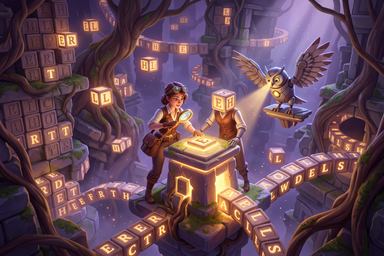
Themes keep the practice moving. You might type to race, shoot targets, stack objects, score goals, or survive an attack. The keyboard remains the controller, but the goal gives every keystroke urgency. Much better than glaring at a blank document while your fingers stage a quiet rebellion.
Typing Technique for Faster, Cleaner Runs
- Protect accuracy first: Clean inputs build better habits than frantic speed followed by constant corrections. Slow down when errors begin piling up, then increase your pace once you can hold a steady rhythm.
- Keep your eyes on the prompt: Avoid checking the keyboard after every letter. Learning key positions by touch reduces hesitation and helps you read further ahead.
- Use the home row: Return your fingers to their starting positions whenever possible. Consistent placement makes distant keys easier to reach without losing your bearings.
- Read ahead: Scan the next word while finishing the current one. This reduces awkward pauses and prepares your fingers for capital letters, punctuation, or less familiar combinations.
- Stay loose: Tense hands tire quickly and encourage heavy, uneven keystrokes. Relax your wrists, use light presses, and let accuracy create speed naturally.
- Repeat useful challenges: Replaying the same type of exercise makes progress easier to judge. Watch WPM, accuracy, and streaks, then focus on whichever measure keeps slipping.
- Practice difficult patterns: Common words build flow, while long words, numbers, punctuation, and one-handed exercises expose weak spots. That troublesome key will remain innocent only until the next timer starts.
Typing Challenges Turn Practice Into Play
The genre stretches well beyond traditional typing tests. Falling-letter challenges emphasize reaction speed. Word races reward sustained pace. Action formats connect correct inputs to attacks, movement, or scoring, while structured lessons build from individual keys toward complete sentences.
That variety lets you train a specific skill without giving up the pressure and satisfaction of a game. Beginners can concentrate on recognition and placement, while advanced typists can pursue faster WPM, longer streaks, and cleaner performance under time limits. Pick a challenge that makes you want another run, because regular practice is where the real gains happen.