Browse more
All Genres →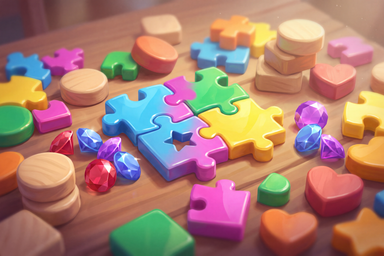






Hypercasual Games Put the Core Mechanic First
A hypercasual game gives you a clear objective and very little clutter. You might dodge hazards, stack objects, aim a shot, solve a compact puzzle, or time an input. Tutorials are often minimal because the controls and visual feedback are designed to explain the rules as you move.
Here is the whole pitch: The best hypercasual design is easy to understand and stubbornly difficult to master. Minimalist visuals keep your attention on the next obstacle, target, or collectible, while rising speed and tighter timing create the challenge.
That makes the genre a strong match when you want a focused game for a short break. Your goal is clear, your mistakes are readable, and there is always a reason to try again.
Hypercasual High-Score Habits That Sharpen Every Run
- Learn the failure condition: Work out exactly what ends a run before chasing points. Knowing whether position, timing, or contact matters most gives every attempt a purpose.
- Use small inputs: Many agility and swerving mechanics reward controlled movement. Big corrections often create another problem, so steer, tap, or aim with restraint.
- Watch the pattern: Repeating hazards usually teach a rhythm. Study spacing and timing instead of reacting wildly when the pace rises.
- Prioritize survival: Coins, bonuses, and power-ups can tempt you away from a safe route. A longer run usually creates more scoring chances than one risky pickup.
- Reset your timing: After a mistake, avoid copying the same input at the same moment. Change one detail and use the next attempt as useful practice.
- Chase consistency before speed: Fast play looks impressive, but reliable inputs build better scores. Clean decisions beat frantic corrections when the difficulty climbs.
Hypercasual Mechanics Make Simple Inputs Feel Different
Agility games test hand-eye coordination through obstacles and collectibles. Timing games ask you to act inside a narrow window, while swerving mechanics put movement and hazard avoidance at the center. Stacking challenges reward placement, and compact puzzles turn aiming or swiping into a quick test of accuracy.
These formats share the same discipline: strip away complicated menus and make the main action satisfying enough to repeat. Add escalating difficulty, immediate feedback, and a score to beat, and a tiny control scheme can keep your full attention.