Browse more
All Genres →


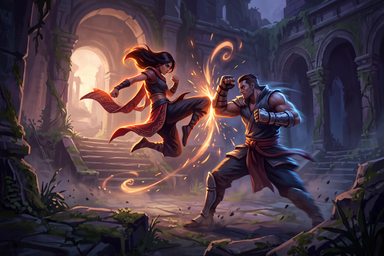

Souls-like Games Turn Failure Into Progress
A Souls-like is built around deliberate combat, dangerous exploration, tough bosses, and death as part of the learning process. Attacks often commit you to an animation, stamina can limit reckless swings, and a mistimed dodge may cost precious health. Button mashing gets exposed quickly. Rude, but fair.
The core thrill comes from learning what stopped you, adapting, and returning better prepared. Progress can mean stronger abilities or better equipment, but knowledge matters just as much. You start recognizing attack patterns, enemy placements, traps, shortcuts, and the exact moment an inviting doorway becomes deeply uninviting.
Many games in the genre tie checkpoints to risk-and-reward progression. Death may leave experience or currency waiting to be recovered, so the return journey carries real tension. Exploration balances that pressure with useful items, hidden routes, lore, and permanent upgrades.
This style suits you if you enjoy precise combat, patient observation, character building, and worlds that explain themselves through places rather than long speeches. Settings and systems can vary, but the best Souls-like design keeps pulling you forward with the same promise: the impossible fight is only impossible until you understand it.
Souls-like Survival Starts With Patience
- Study before swinging: Watch an enemy's full attack sequence before committing to a long combo. The pause after its final strike is often your safest opening.
- Protect your stamina: Leave enough stamina to dodge or retreat after attacking. An empty bar turns a bold assault into a very short cautionary tale.
- Treat death as information: Identify what ended the attempt. A delayed strike, hidden enemy, greedy extra hit, or poorly timed heal gives you something concrete to fix again.
- Separate enemy groups: Lure individual foes away when possible. Fighting on your terms is smarter than letting a mob turn the encounter into a wall of overlapping attacks.
- Learn placements and routes: Repeated runs become easier when you remember ambushes, ranged threats, traps, and shortcuts. Familiar ground gives you room to focus on execution.
- Spend resources with purpose: Use progression currency on abilities, upgrades, and items that support your chosen approach. Carrying a valuable haul deeper into danger adds tension, not wisdom.
- Match defense to the attack: Blocking, parrying, dodging, and retreating solve different problems. Learn which response an enemy demands instead of relying on the same escape every time.
- Do not force a losing fight: If you are weakened and escape is possible, pull back, recover, and return ready. Pride does not refill a health bar.
- Experiment with your build: Weapons, skills, stances, and equipment can change the rhythm of combat. A difficult encounter may become manageable when your reach, speed, or defensive tools better fit its patterns.
- Take the safe opening: Bosses punish greed. Land the hits the opening allows, then reset your position. Patience wins fights that frantic damage chasing throws away.