Browse more
All Genres →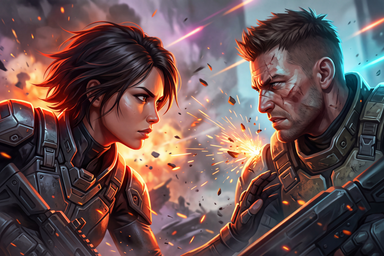
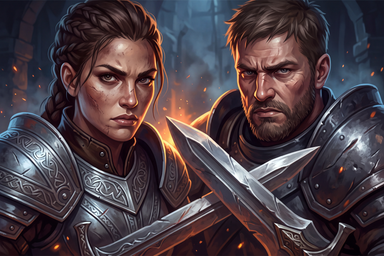

Fighting Games Reward Timing, Nerve and a Good Read
At heart, fighting games are close-quarters contests built around striking, blocking, dodging and chaining attacks together. Some stick to fists and feet. Others bring swords, axes, projectiles or firearms into the argument. The presentation can be serious, cartoonish or physics-driven, but every good bout asks the same question: what will your opponent do next?
Fighting games suit players who enjoy immediate action with plenty of room to improve. Simple controls can make the first match easy to understand, while movement options, character matchups and combo systems add long-term depth. You might prefer a focused one-on-one duel, a local contest with a friend or a team fight built around a shared objective.
Competition is the real fuel. Facing someone near your skill level turns each match into a conversation made of feints, dodges and very firm punches. Win or lose, you usually leave with something useful to practice. Possibly blocking. It is often blocking.
Fighting Game Fundamentals That Win More Rounds
Flashy combos look great, but dependable decisions win more fights. Start with control and awareness, then add complexity once the basics feel natural.
- Learn your movement first: Get comfortable approaching, retreating and changing direction before worrying about long attack strings. Good positioning gives every strike, dodge and counter a better chance of working.
- Watch the opponent, not your fighter: Your character is usually doing what you told them to do. The useful information comes from the other side, including repeated attacks, nervous retreats and obvious approaches.
- Keep one reliable combo ready: A short sequence you can land consistently is more valuable than an elaborate chain that falls apart under pressure. Add extra hits only when your timing is steady.
- Block with a purpose: Defense is not dead time. Use it to recognize patterns, wait out reckless attacks and prepare your response.
- Do not attack on autopilot: Repeating the same opening makes you easy to read. Change your timing, pause before committing and make your opponent guess.
- Practice against similar skill levels: Competitive sets are most useful when both players have room to adapt. You learn more from exchanged adjustments than from a match that ends before either side can change plans.
- Treat losses as information: Notice what kept catching you. Was it a particular approach, a missed dodge or an unsafe attack? Fix one habit at a time rather than trying to rebuild your entire game between rounds.
Fighting Game Styles Change the Shape of Combat
Traditional one-on-one fighters put the spotlight on character matchups, precise timing and direct reads. Platform brawlers add wider movement, shifting positions and battles around arena control. Team-based fighters bring shared objectives into the mix, so protecting space and supporting allies can matter as much as landing the final blow.
Weapon fighters alter reach and attack angles with blades, axes and other gear. Gun-focused variants push accuracy and split-second decisions closer to the center of each encounter. Physics-based brawlers loosen the rules further, turning momentum and unpredictable movement into part of the challenge.
The right style depends on whether you want technical duels, hectic group clashes or combat with a strong objective beyond knocking down one rival. Whichever lane grabs you, expect quick decisions, hard-earned improvement and the irresistible urge to run that matchup again.