Farming simulators turn fieldwork into strategy. You plant crops, raise animals, drive heavy machinery, manage workers, and build a small patch of land into a serious agricultural operation. The genre stretches from detailed seasonal simulation to relaxed farm building, which explains its lasting communities around tutorials, mods, machinery, and shared farms.
Free-to-play is a natural fit because the core loop makes sense immediately: plant, grow, harvest, sell, improve. You can find the level of realism that suits you before committing to a long campaign. Browser play with no download is also available in this category.
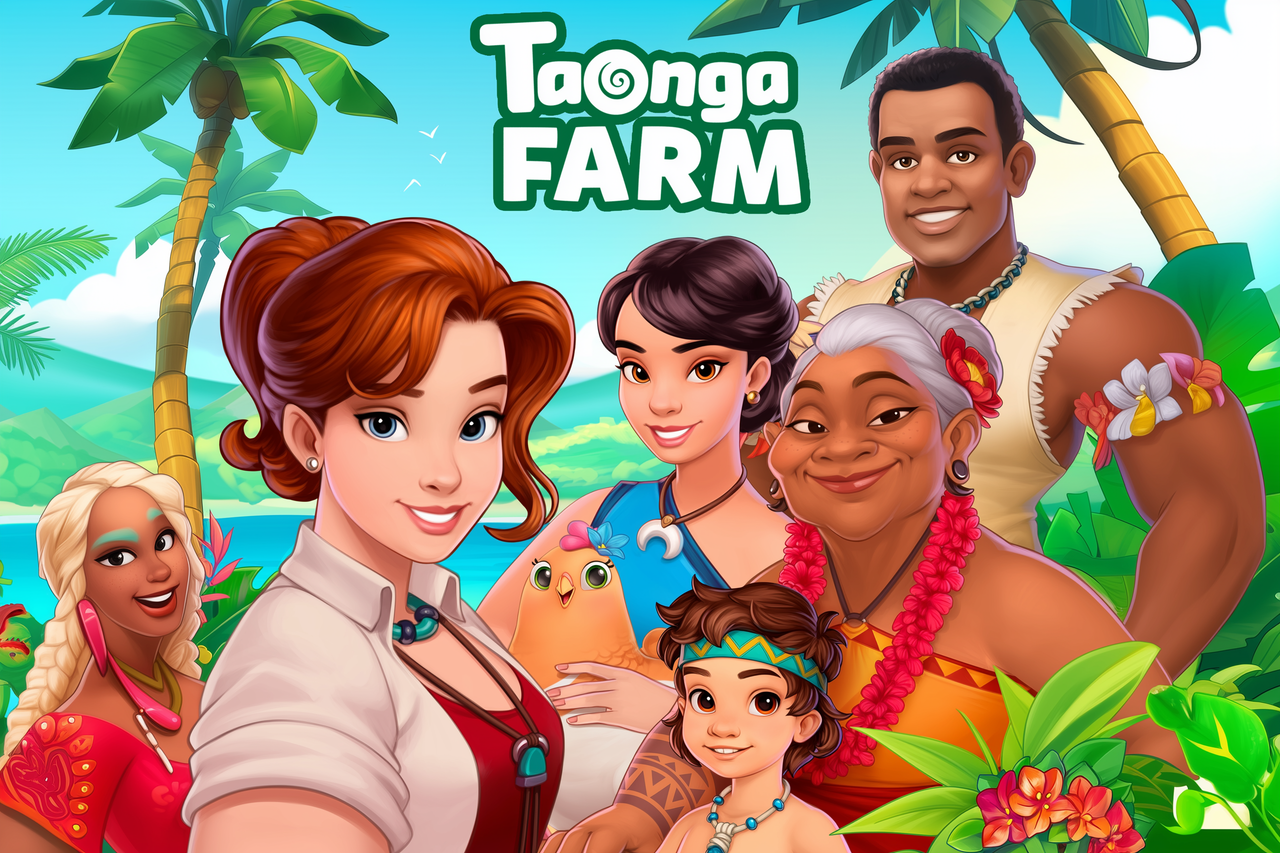
Taonga: the Island Farm hands you a tropical inheritance and promptly fills it with crops, animals, workshops, hidden treasure, and mystery-packed expeditions. It is a cozy browser farming adventure for players who can turn careful energy and storage management into one more harvest, one more quest, and, naturally, one more island detour.
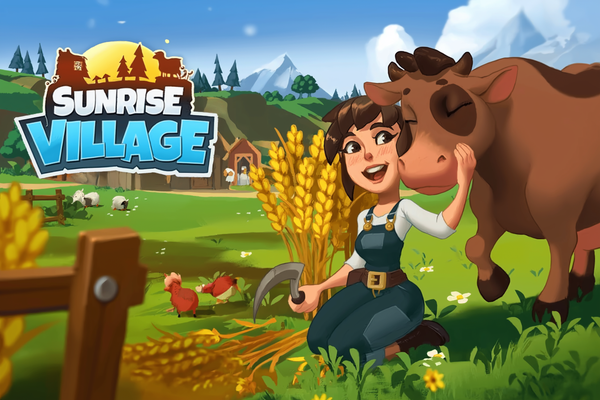
Sunrise Village sends you to Grandpa’s troubled town to rebuild farms, help the locals, and hunt six magical crystals through a colorful countryside mystery. If cozy chores, crafting, and exploration are your jam, this free-to-play adventure has plenty to harvest, provided you can roll with its occasionally stingy energy bar.
In a farming simulator, planting is only the opening move. Crops need harvesting, animals need feeding, machinery needs managing, and profits need turning into better tools or more land. Relaxed games keep that cycle light and forgiving. Detailed simulators add seasons, production chains, changing markets, vehicle work, and tighter financial decisions.
We selected and reviewed the games on this page ourselves. We considered how clearly they teach their farming systems, whether progression gives you useful goals, and how well the management loop keeps crops, livestock, equipment, and expansion connected. Our featured pick is shown at the top of the page, giving you a clear place to begin.
Your best match depends on whether you want to drive the tractor, manage the workers, or simply watch a tidy farm grow. That range is the genre's real strength. Press Play Now when a game matches your preferred workload, then start turning soil into income.
Farm Management Tips for a Stronger Start
Tune the simulation first: Disable optional systems such as weeds, crop moisture, plowing requirements, lime, or fuel usage when those settings are available. Learn the main crop cycle first. The extra detail can return later, mercifully.
Master one production loop: Follow a crop from planting through harvesting and sale before expanding into livestock, forestry, or complicated production chains. A stable routine gives you money and teaches you what the farm actually needs.
Respect the calendar: If seasons affect planting, check which crops suit the current period before buying seed or preparing fields. Seasonal planning prevents expensive land from sitting idle.
Buy equipment for a purpose: A larger tractor or wider tool is useful when it removes a real bottleneck. Spending simply because a machine looks impressive can leave too little cash for seed, animals, or new fields.
Delegate repetitive work: When hired workers or automated routes are available, assign them predictable jobs such as plowing, sowing, harvesting, or deliveries. You can then focus on expansion and production decisions.
Watch prices before selling: Games with changing markets reward patience. Store produce when possible, compare available buyers, and sell when the return supports your next upgrade.
Expand at a manageable pace: New land creates more work as well as more income. Make sure your machinery, workers, and cash flow can support another field before signing yourself up for a much larger harvest.
Farming Simulators Range From Real Machinery to Relaxed Growth
Realism-focused farming simulators put machinery, field preparation, seasonal pressure, and production chains at the center. You may drive tractors and harvesters directly, hire workers for routine jobs, manage routes, or decide where limited capital should go next. The satisfaction comes from making a complicated operation run properly.
Relaxed farming games trim that workload. Crops may keep growing without harsh deadlines, tutorials get you moving quickly, and expansion happens at your own pace. Management can also take forms such as fulfilling orders, merging resources, selling produce, upgrading buildings, or caring for animals.
Both approaches build around the same satisfying idea: your decisions turn an empty plot into a productive farm. Choose the level of pressure you want, press Play Now, and get the first crop moving.
FAQ
FAQs
You plant and harvest crops, care for animals, operate machinery, sell produce, and expand your farm. Deeper simulations may add seasons, production chains, hired workers, and enough field management to keep your tractors very busy.
They can be either. Realistic farming simulators focus on machinery, seasonal planning, and farm economics, while casual versions let you grow and build at a gentler pace.
Farming simulators can be approachable, especially when they offer beginner modes or settings for weeds, plowing, fuel use, and other systems. Start simple, learn the crop cycle, then add complexity when your farm is ready for it.
They reward planning, resource management, and knowing when to plant, harvest, sell, or expand. Automation and hired workers can also turn repetitive fieldwork into a satisfying management puzzle.
Our featured pick is shown at the top of this page. Press Play Now when you are ready to start planting crops, managing machinery, and building your farm.
Yes, browser play with no download is available for games we host in this category. Check the game page, then press Play Now to get your fields moving.